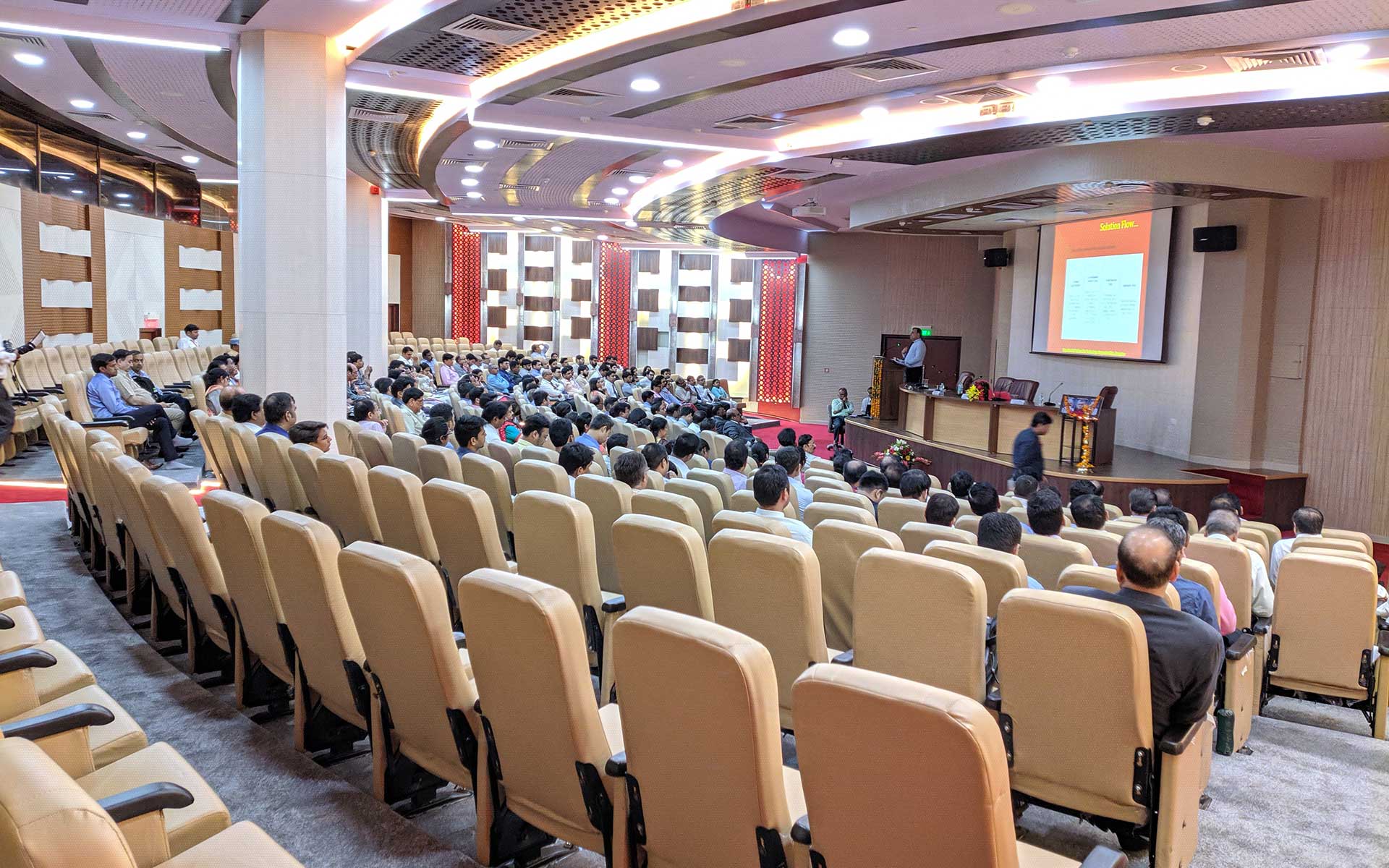
Exclusive Peer-to-Peer Two Days Conference
Thermal Energy Decarbonization - 2026
Exclusive Peer-to-Peer Two Days Conference
CONFERENCE ATTENDEES
EXPERT SPEAKERS
TECHNICAL SESSIONS
NETWORKING LUNCHES
EXCLUSIVE
LEARNINGS
OPEN HOUSE DISCUSSIONS










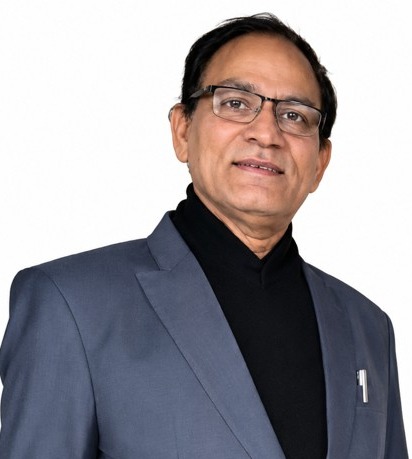



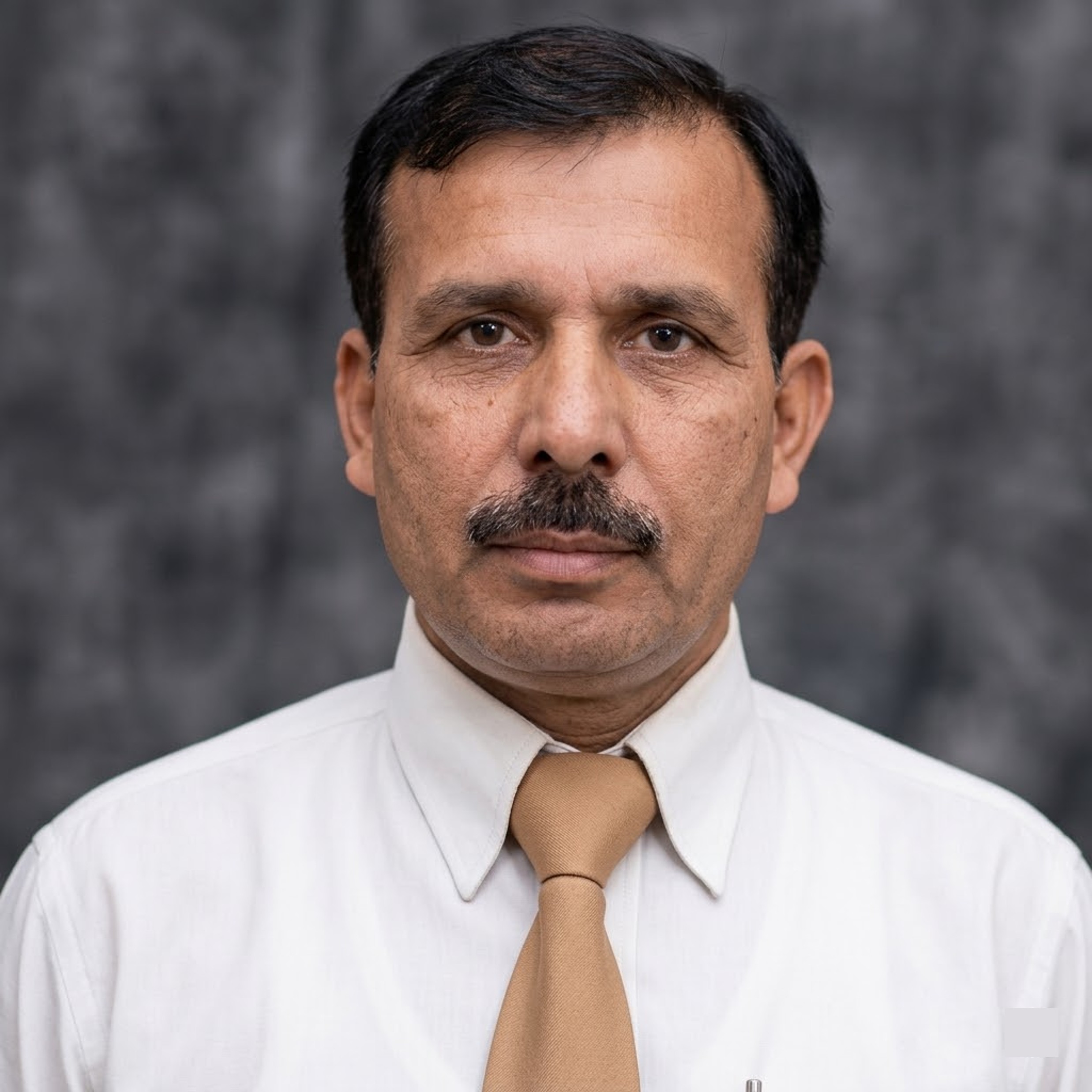



BACKGROUND
As India advances toward its net-zero emissions target by 2070, the decarbonisation of the thermal power sector has emerged as one of the nation’s most critical energy transition challenges. Despite rapid growth in renewable energy, thermal power — led predominantly by coal-based generation — continues to remain the backbone of India’s electricity system, ensuring grid stability, industrial growth, and round-the-clock energy security. India’s power sector is undergoing a historic transformation. As of 2026, the country’s total installed power generation capacity has crossed 520 GW, with non-fossil fuel sources accounting for over 52% of installed capacity — achieving India’s 2030 climate commitment five years ahead of schedule. India has also surpassed 283 GW of non-fossil installed capacity, including solar, wind, hydro, and nuclear energy, while renewable energy additions reached record highs during 2025–26.
At the same time, electricity demand in India continues to surge, driven by industrialisation, urbanisation, digital infrastructure growth, electric mobility, manufacturing expansion, and rising cooling requirements. India’s peak power demand touched a record 256 GW in 2026 and is projected to increase further in the coming years, reinforcing the continuing strategic importance of thermal power generation within the country’s evolving energy mix. While renewable energy capacity has expanded rapidly, coal-fired thermal power continues to contribute the majority share of India’s electricity generation, highlighting the complexity of balancing decarbonisation with energy affordability, reliability, and economic growth. The sector therefore faces a dual challenge, firstly ensuring reliable baseload and flexible generation capacity and then significantly reducing emissions intensity and environmental impact.
The future of India’s thermal sector will increasingly depend on its ability to modernise existing infrastructure through flexible and efficient plant operations, digitalisation and AI-driven optimisation, biomass and alternative fuel co-firing, carbon capture and utilisation technologies, emissions control systems, water-use optimisation, energy efficiency upgrades, fuel diversification strategies and integration with renewable energy and storage systems. India’s energy transition is no longer solely about adding renewable capacity — it is equally about transforming existing thermal infrastructure into cleaner, smarter, and more flexible assets capable of supporting a low-carbon grid of the future.
Against this backdrop, the 2nd Annual Thermal Energy Decarbonisation (TED) India 2026 Conference & Awards themed “Modernising Thermal Power in India’s Net-Zero Journey” will serve as a premier national platform bringing together policymakers, utilities, regulators, power producers, technology providers, researchers, financial institutions, and industry leaders to explore practical pathways for accelerating the decarbonisation and modernisation of India’s thermal power ecosystem. The conference will focus on actionable solutions, operational strategies, emerging technologies, policy frameworks, and investment opportunities that can enable the thermal power sector to transition toward a more sustainable, resilient, efficient, and future-ready energy landscape.
TED India 2026 aims to become India’s leading utility-led platform dedicated to advancing thermal power transition through innovation, collaboration, and commercially viable decarbonisation strategies aligned with the nation’s long-term climate and energy security objectives.
Installed Capacity
As of March 2026, India’s total installed power generation capacity has crossed 530 GW, with thermal power (coal, lignite, gas and diesel) continuing to account for nearly 47–48% of the country’s installed capacity at approximately 249 GW. At the same time, non-fossil fuel sources have surpassed the 50% milestone in installed capacity, reflecting India’s accelerating clean energy transition.
Energy Generation
India generated over 1,824 BU (billion units) of electricity during FY 2024–25, driven by rapid industrialisation, urbanisation, digital infrastructure expansion, and rising cooling demand. Despite record renewable energy additions, thermal power continues to contribute nearly 70% of India’s electricity generation, underlining its ongoing importance for baseload supply and grid stability. India’s peak power demand is also expected to cross 270 GW in 2026, reinforcing the strategic role of thermal generation in ensuring reliable power supply.
Coal Dependency & Decarbonisation Challenge
Coal remains the dominant fuel in India’s power mix, contributing the majority share of thermal electricity generation due to affordability, domestic availability, and energy security considerations. However, this dependence also makes India’s power sector significantly carbon-intensive compared to global averages. The sector therefore have to support India’s fast-growing energy demand while reducing emissions through cleaner, more efficient and flexible thermal operations.
India’s Energy Transition Momentum
India's policy landscape for decarbonizing thermal power generation is increasingly aligned with its long-term climate goals, particularly the 2070 net-zero target. Some of the key policy initiatives include:
The NEP provides a clear roadmap for electricity generation capacity addition and highlights a moratorium on new coal-based capacity, except those under construction. It projects that by 2030, non-fossil energy sources will account for nearly 50% of total generation capacity.
The Ministry of Power has mandated thermal power plants to co-fire biomass pellets up to 5–10% of their fuel mix. A web-based portal (SAMARTH) tracks implementation and procurement, and financial incentives have been proposed for faster adoption. This initiative Reduces reliance on coal, mitigates stubble burning in northern India & Creates rural employment and a circular economy around agricultural waste.
Under the National Mission on Enhanced Energy Efficiency, the PAT scheme incentivizes thermal power plants to improve their specific energy consumption. Plants that exceed targets earn tradable Energy Saving Certificates (ESCerts), creating a market-based mechanism for energy efficiency.
The government requires all coal-based thermal plants to install FGDs to curb SO₂ emissions. While adoption has been delayed due to capital cost concerns, recent push for indigenous technologies and phased implementation deadlines has reignited progress.
Renewable Energy Integration Guidelines
Thermal plants are now required to maintain flexibility in operations to support growing renewable penetration. Guidelines have been issued for flexibilizing thermal generation, especially during solar and wind peak hours.
Incentives for Energy Storage & Carbon Markets
India’s new carbon trading framework (proposed under the Energy Conservation Act Amendment, 2022) lays the foundation for a carbon credit market. Thermal plants with efficient operations and emissions control could benefit through carbon finance and trading incentives.
Decarbonizing thermal power involves retrofitting existing assets, adopting emerging technologies, and modernizing operational practices. Key interventions include:
Blending crop residue-based biomass with coal in existing boilers can cut carbon intensity by up to 10% without major retrofits. Some plants have also explored torrefied biomass, refuse-derived fuel (RDF), and carbon-neutral syngas as supplementary fuels.
Adapting thermal units to operate at partial loads helps integrate variable renewable energy into the grid. This includes digital monitoring systems, automation, and better turbine control to improve efficiency and reduce emissions during low-demand periods.
Pilot projects for post-combustion carbon capture are underway at select thermal units, with CO₂ being reused for industrial applications or geological storage. Future-ready plants are being designed with CCUS retrofitting capability as a baseline.
The shift from subcritical to supercritical and ultra-supercritical boiler technologies improves thermal efficiency (from ~33% to 42%), significantly reducing coal consumption and CO₂ emissions per unit of electricity.
Digitalization and Predictive Maintenance
Use of AI/ML-enabled predictive analytics, condition monitoring systems, and automated combustion control allows for reduced auxiliary consumption, improved heat rate, and early detection of emission spikes.
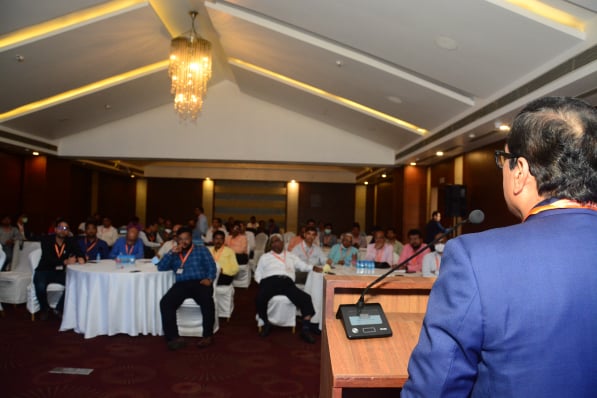
Understand how India’s thermal power sector is evolving in response to:
Net-Zero 2070 commitments
Renewable energy integration
Emission compliance requirements
Energy security priorities
Grid flexibility demands
Emerging carbon market mechanisms
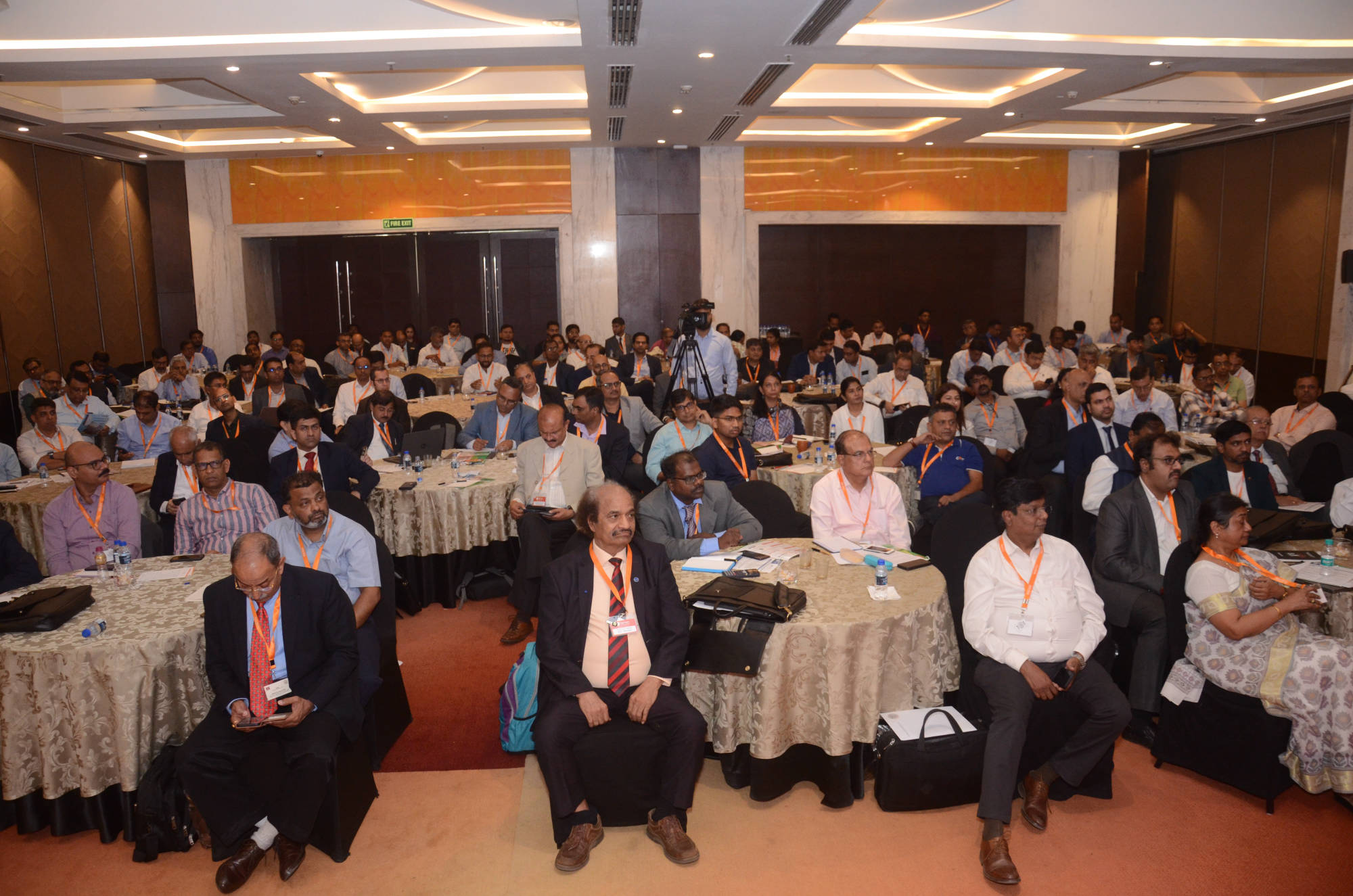
Hear directly from:
Central & State GENCOs
Independent Power Producers (IPPs)
Plant operators
Utility leaders
Policymakers and regulators
through real-world case studies, modernization initiatives, operational learnings, and decarbonisation strategies.
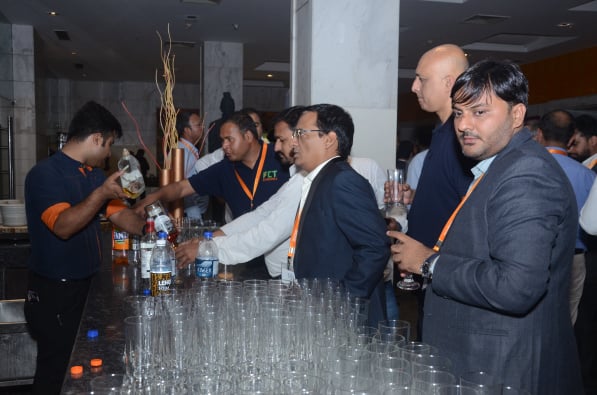
Discover the latest innovations in:
Flexible thermal operations
Biomass co-firing
Digitalisation & AI
Predictive maintenance
Emission control technologies
Carbon capture solutions
Efficiency upgrades
Water management
Smart monitoring systems
Fuel diversification strategies
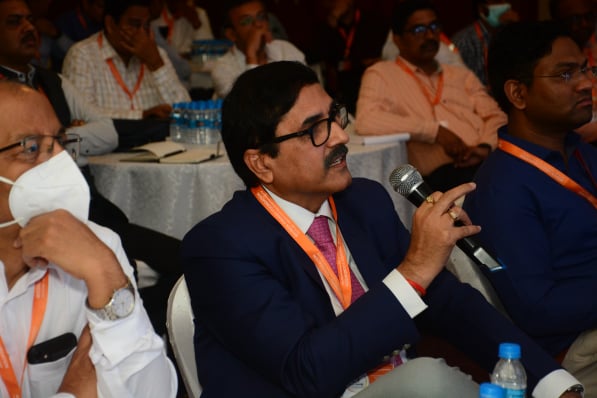
Gain clarity on:
Emission norms & compliance
Biomass co-firing mandates
PAT scheme & efficiency frameworks
Carbon Credit Trading Scheme (CCTS)
Environmental regulations
Grid flexibility requirements
Transition finance opportunities
Future policy roadmap for thermal power
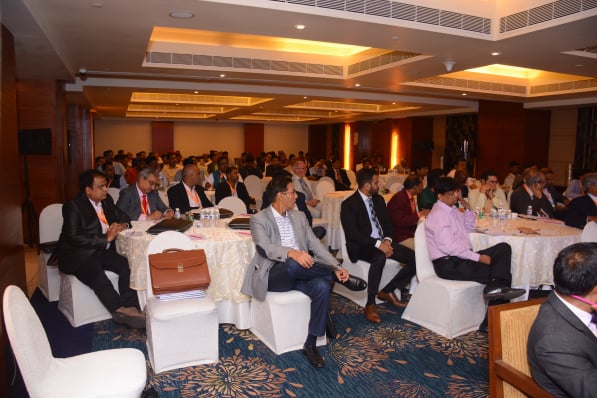
Network with:
Policymakers
Utility executives
Power plant heads
Technology providers
EPC companies
Consultants
Researchers
Investors
Sustainability leaders
Industry associations
TED India provides a focused platform for high-value industry engagement and strategic collaborations.
Understand investment trends, financing options, and innovation pipelines critical to achieving India's energy and environmental goals.
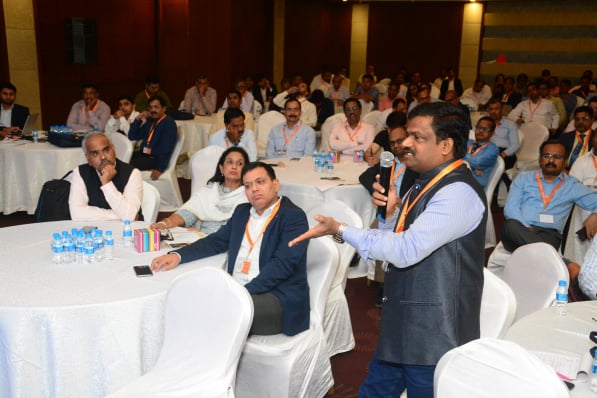
India's journey towards decarbonizing its thermal power sector is complex but achievable. By leveraging technological advancements, enforcing robust policies, and fostering industry collaboration, India can transition to a cleaner, more sustainable energy landscape, aligning with its commitment to net-zero emissions by 2070.
TED INDIA 2026 will catalyse these efforts by fostering cross-sector dialogue and aligning shared visions for a low-carbon future.
Join us at TED INDIA 2026 to shape India’s path to a cleaner, sustainable thermal power sector — powering growth with responsibility and discuss the Way Forward Strategies for Decarbonization
1
Accelerated Renewable Integration: Enhancing grid infrastructure to accommodate the increasing share of renewables is crucial. Investments in energy storage and smart grid technologies will ensure reliability and efficiency.
2
Phasing Out Inefficient Plants: Decommissioning older, inefficient coal plants and replacing them with cleaner alternatives like SMRs or renewable energy projects will reduce emissions and improve efficiency.
3
Financial Mechanisms: Implementing carbon pricing and providing financial incentives for clean energy projects can drive investment and innovation in the sector.
4
Research and Development: Investing in R&D for advanced technologies like CCS, hydrogen-based fuels, and high-efficiency power generation methods will pave the way for a sustainable energy future.
5
Policy Enforcement and Compliance: Ensuring strict adherence to environmental regulations and timely implementation of mandated technologies like FGD systems is essential for achieving emission reduction targets.
6
Your Opinions are HEARD...
TED INDIA - 2026 is expected to draw participation from executives, managers and decision-makers from:
Government & Policy Makers
Central Govt. Agencies
State Govt. Agencies
Central Regulatory Boards
State Regulatory Boards
Public Sector Utilities
State Sector Utilities
Thermal Power Plants
Captive Power Plants
Energy Technology & R&D Institutions
Industry Experts & EPC Companies
Investors & Financial Institutions
Environmental & Climate Advocates
Biomass & Alternate Fuel Supply Chains
Technology & Solution Providers
If you are interested in speaking at the TED India 2026 conference we are inviting you to put forward your presentation proposal for review by our international conference advisory board. Please note that not all submissions can be accepted but all will be considered ahead of the final submission deadline.
We encourage proposals from speakers with deep technical and practical expertise in all aspects of Regulatory Affairs / Compliance
Deadline For Paper Submission Friday, 26 June 2026
Proposals must be submitted by online speaker registration mode. If selected to speak, all presenters will be required to submit a presentation in PowerPoint format at least 2 weeks in advance of the conference to ensure guidelines are met.
If you have any questions, please contact
Ashwinkumar Khatri
Director General
dg@missionenergy.org
+91 98339 51556
Our aim is to deliver you an event that exceeds your expectations, thus becoming an integrated part of your annual marketing program.
Sponsoring TED India - 2026 will make your company stand out as a leader in this burgeoning industry and will leave a strong impression of your brand in key decision makers minds. Sponsors have an incredible amount of presence and it will not only give your company optimum exposure but also the opportunity for delegates to meet you and your executives to find out more about your role and business opportunities in the sector.
Why Sponsor?
Gain PUBLICITY with our advertising and promotional campaigns
Obtain DIRECT ACCESS to potential clients during and after with our meticulously prepared confidential delegate list
Receive a KEY SPEAKING POSITION to address an audience of top executives and decision makers from the industry
Create PERMANENT REMINDERS of your product or services in conference documentation
Profile yourself as INDUSTRIAL LEADER, as your corporate logo and profile will be featured prominently in event marketing collaterals
NETWORKING with the industries leading Government Officials, Senior Level Delegates and Experts
Achieve GREATER EXPOSURE and BRAND BUILDING through our partners and much more
Refer to the below tabular of varied sponsorship options and benefits.
INR 745000 / USD 9950
7 Delegate Passes - Logo on Brochure Cover Page - Logo on Brochure Inside Page, Conference Backdrop, Registration Desk Backdrop & Conference Website, Logo on I am Attending Banner, Logo on eCONNECT | Attendee Access Portal, Send Meeting Request in eCONNECT (upcoming feature) - Corporate Banner in Networking Area - Merchandise Distribution - Screening of Company Film - Circulation of Company Literature - Thanking Announcements - Speaking Opportunity - Panel Discussion Moderator
INR 645000 / USD 8950
5 Delegate Passes - Logo on Brochure Cover Page - Logo on Brochure Inside Page - Logo on Conference Backdrop - Logo on Registration Desk Backdrop - Logo on Conference Website, Logo on I am Attending Banner, Logo on eCONNECT | Attendee Access Portal, Send Meeting Request in eCONNECT (upcoming feature) - Banner in Networking Area - Merchandise Distribution - Screening of Company Film - Circulation of Company Literature - Thanking Announcements - Speaking Opportunity - Panel Discussion Panelist
INR 545000 / USD 7950
3 Delegate Passes - Logo on Brochure Cover Page - Logo on Conference Backdrop - Logo on Conference, Logo on Website I am Attending Banner, Logo on eCONNECT | Attendee Access Portal, Send Meeting Request in eCONNECT (upcoming feature) - Circulation of Company Literature - Thanking Announcements - Panel Discussion Panelist
INR 445000 / USD 6950
2 Delegate Passes - Logo on Brochure Cover Page - Logo on Conference Backdrop - Logo on Conference Website - Circulation of Company Literature - Thanking Announcements
INR 345000 / USD 5950
1 Delegate Passes - Logo on Brochure Cover Page - Logo on Conference Website - Circulation of Company Literature - Thanking Announcements
INR 245000 / USD 4950
Logo on Conference Backdrop - Logo on Conference Website - Thanking Announcements
Shehzad Khwaja
Sr Manager Sponsorship
sponsorship@missionenergy.org
+91 9769310944
*Invited Speakers
Monday, 10 August 2026
09:30 - 11:00 | Modernising Thermal Power for India’s Energy Security & Net-Zero Ambitions
Arun Goyal, Former Member - Central Electricity Regulatory Commission
Dr. Ravindra Kumar Tyagi, Director General - Power Foundation of India
Session Focus:
As India accelerates its clean energy transition while witnessing record growth in electricity demand, thermal power continues to remain critical for grid stability, industrial growth, and energy security. This inaugural session will explore the evolving role of thermal power in India’s net-zero journey and discuss how modernization, flexibility, efficiency improvement, and cleaner technologies are shaping the future of the sector.
Key Discussion Points:
India’s thermal power outlook in a renewable-heavy grid
Balancing decarbonisation with energy security
Policy direction for thermal modernization
Future role of coal-based generation
Investment priorities for thermal transition
Utility perspectives on modernization and sustainability
11:00 – 11:30 | Networking Tea Break
11:30 – 13:00 | Policy, Regulation & Market Reforms Driving Thermal Decarbonisation
Chandan Lahoti, Partner - Ahuja Valecha & Associates LLP
Naveen Kumar, Group Head - Industrial Decarbonisation - CSTEP
Pankaj Batra, Senior Advisor - Integrated Research and Action for Development (IRADe)
Session Focus:
India’s thermal sector is undergoing a major regulatory and operational transformation driven by emission norms, flexibility requirements, efficiency mandates, biomass co-firing obligations, and emerging carbon market mechanisms. This session will examine the evolving policy framework shaping the future competitiveness and sustainability of thermal power generation in India.
Key Discussion Points:
MoEFCC emission norms & compliance roadmap
PAT scheme & efficiency benchmarking
Biomass co-firing mandates & implementation challenges
Carbon Credit Trading Scheme (CCTS)
Flexible thermal operation frameworks
Environmental compliance investments
Transition finance & ESG expectations
Policy outlook for thermal modernization
13:00 – 14:00 | Networking Lunch Break
14:00 – 16:00 | Modernising Thermal Power Plants Through Flexibility, Digitalisation & Low-Carbon Technologies
Bikash Chandra Mallick. Principal Chief Engineer - Central Electricity Authority (CEA)
Fayaz Ahmad Tantray, Consultant Energy Green Transition & Climate Change – NITI Aayog
Jayant Sinha, Senior Principal Consultant (Energy and Utilities) - Entruist Power
M K Asthana, Consultant & Former ED (QA&I) NTPC Limited
Murthi VK, SVP - Univision Technology Solutions
Rajan Varshney, Deputy General Manager - NTPC Renewable Energy Limited
Session Focus:
Thermal power plants are increasingly adopting advanced technologies and modernization strategies to improve operational efficiency, reduce emissions intensity, and support renewable energy integration. This session will focus on practical solutions and real-world utility experiences in transforming thermal assets into smarter, cleaner, and more flexible power generation systems.
Key Discussion Points:
Flexible thermal operations & grid balancing
AI-driven plant optimisation
Digital twins & predictive maintenance
Heat-rate improvement & efficiency upgrades
Biomass co-firing & alternative fuels
Water-use optimisation
Emission reduction technologies
Smart thermal plant modernization case studies
16:00 – 16:30 | Networking Tea Break
16:30 – 18:00 | Panel Discussion: The Future of Thermal Power in India’s Evolving Energy Landscape
Kapil Bansal, Partner, Energy Transition and Decarbonization - Ernst & Young
Fayaz Ahmad Tantray, Consultant Energy Green Transition & Climate Change – NITI Aayog
Jayant Sinha, Senior Principal Consultant (Energy and Utilities) - Entruist Power
Dr. Ravindra Kumar Tyagi, Director General - Power Foundation of India
Amit Aneja, Senior Advisor - Next Wave Energy Consulting
Shubhi Goel, Founder & CEO – Parijata
Panel Focus:
As India rapidly expands renewable energy capacity, thermal power generation is entering a new era defined by flexibility, modernization, decarbonisation, and changing market dynamics. This leadership panel will bring together policymakers, utilities, technology providers, and industry experts to discuss how thermal power can remain reliable, competitive, and sustainable in the decades ahead.
Key Discussion Themes:
Is India entering a new phase of thermal transition?
What will thermal power look like by 2030?
Baseload vs flexible generation
Transition economics & investment outlook
Technology priorities for the next decade
Future role of coal in India’s energy mix
Can thermal power become cleaner and future-ready?
18:00 | End of Day One
Tuesday, 11 August 2026
09:30 - 11:00 | Accelerating Decarbonisation Through Biomass, Alternative Fuels & Emerging Energy Solutions
Session Focus:
Fuel diversification is emerging as a critical pillar of thermal power decarbonisation in India. This session will explore the growing role of biomass co-firing, torrefied biomass, green hydrogen, ammonia blending, and waste-derived fuels in reducing carbon intensity and supporting cleaner thermal operations.
J P Kundra, Head R&D - Cheema Boilers Limited
Dr Badhai Lonia, Professor - Desh Bhagat University
Jayeeta Bhaumik, Scientist E - National Agri-Food Biotechnology Institute (NABI)
Key Discussion Points:
Biomass co-firing implementation experiences
Supply chain & fuel availability challenges
Economics of alternative fuels
Hydrogen & ammonia co-firing opportunities
Waste-to-energy integration
Carbon reduction potential
Future fuel transition roadmap
11:00 – 11:30 | Networking Tea Break
11:30 – 13:00 | Emission Control, Carbon Management & ESG Strategies for Thermal Power
Amit Aneja, Senior Advisor - Next Wave Energy Consulting
Shubhi Goel, Founder & CEO – Parijata
Balawant Joshi, Managing Director - Idam Infrastructure Advisory Pvt. Ltd.
Session Focus:
As environmental regulations tighten and sustainability expectations grow, thermal utilities are increasingly focusing on emissions management, environmental compliance, and ESG-led operational transformation. This session will examine the technologies, strategies, and market mechanisms shaping the next phase of thermal power decarbonisation.
Key Discussion Points:
FGD implementation & operational learnings
NOx & particulate emission reduction technologies
Carbon capture utilisation & storage (CCUS)
Fly ash utilisation & circular economy opportunities
Carbon markets & monetisation opportunities
ESG disclosure & sustainability reporting
Environmental compliance strategies
Financing cleaner thermal infrastructure
13:00 – 14:00 | Networking Lunch Break
14:00 – 16:00 | Building a Reliable, Flexible & Low-Carbon Thermal Power Ecosystem for India
Jagdish Chander Hooda, Dy. Chief Engineering – CERC
Dr P B Rastogi, Former Advisor MoEF&CC
Adesh Singh, Promoter Director & CTO - RnA Vortech Innovations
Vinod Raghavan, Head Business & Operations - netZERO Services Private Limited
Sahil Ali , Associate Director - S&P Global
Session Focus:
India’s thermal power sector is evolving beyond conventional generation toward a more integrated, flexible, and transition-ready ecosystem capable of supporting future energy demand and renewable integration. This concluding session will focus on the long-term roadmap for thermal modernization, grid resilience, investment priorities, and collaborative industry action.
Key Discussion Points:
Future thermal capacity outlook
Renewable integration & grid flexibility
Energy storage & ancillary services
Modernization investment priorities
Utility transformation strategies
Public-private collaboration opportunities
Domestic manufacturing & Make in India
The roadmap toward a low-carbon thermal future
16:00 – 16:30 | Networking Tea Break
16:30 – 17:30 | Thermal Transition Awards Awards - 2026: The Ceremony
The Thermal Transition Awards 2026 will recognise and celebrate pioneering organisations, utilities, technology providers, projects, and industry leaders driving the transformation of India’s thermal power sector through innovation, modernization, sustainability, operational excellence, and low-carbon transition initiatives.
17:30 | Vote of Thanks and End of Conference
The Thermal Transition Awards are a prestigious initiative of the Thermal Energy Decarbonisation (TED) India 2026 conference, created to honour and celebrate the outstanding efforts of thermal power plants across India that are leading the way in lowering carbon emissions, improving efficiency, and embracing sustainable operations. These awards aim to acknowledge organisations and individuals that have gone beyond compliance, demonstrating vision, innovation, and measurable results in transforming thermal power generation into a cleaner, more climate-resilient sector.
As India moves decisively towards its Net-Zero by 2070 commitment, the decarbonization of the thermal power sector stands as a critical challenge and opportunity. Coal and lignite-based power plants continue to contribute over half of the nation’s electricity, making emission reduction strategies essential for the country’s sustainable growth. The Thermal Transition Awards recognise those pioneers who have implemented tangible solutions—ranging from biomass co-firing, carbon capture, and renewable integration to digital optimisation, water efficiency, and fuel diversification—to significantly lower their greenhouse gas footprint.
These awards are built on the belief that acknowledging success stories will inspire the entire sector to adopt cleaner technologies and operational excellence. Winning plants will serve as benchmarks for industry peers, setting higher standards for performance and innovation in the journey toward a low-carbon future.

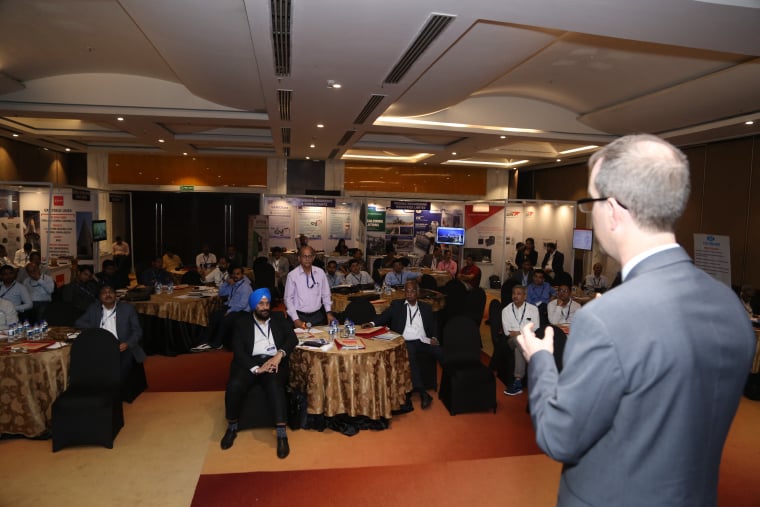
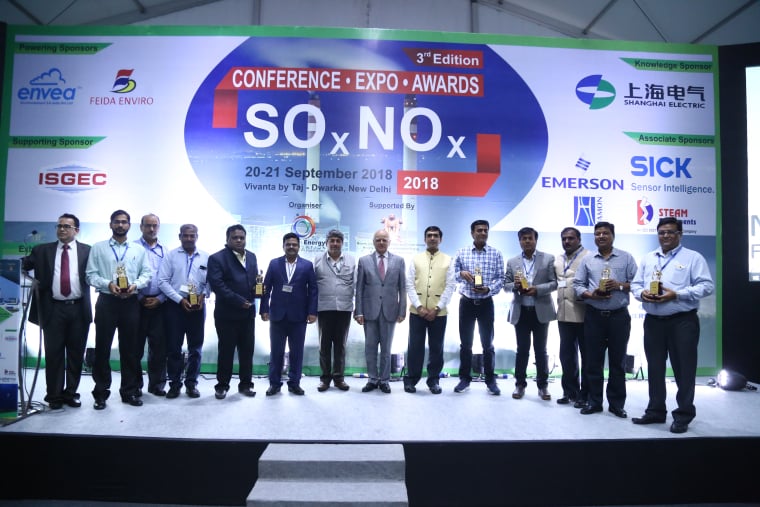
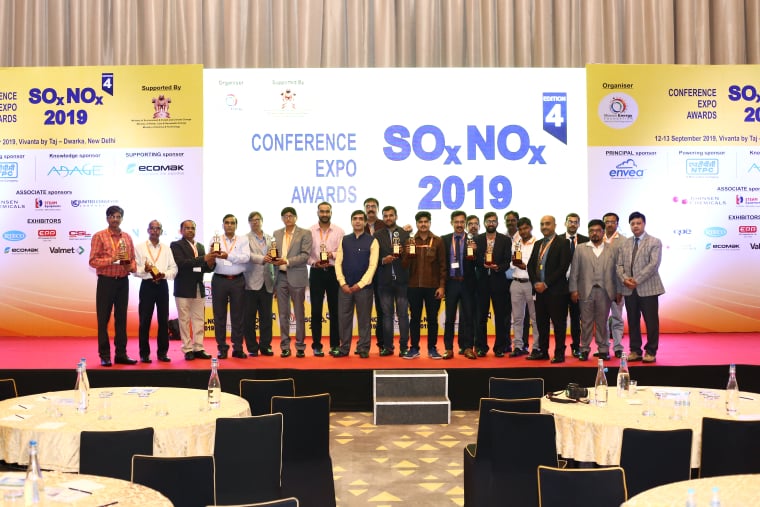
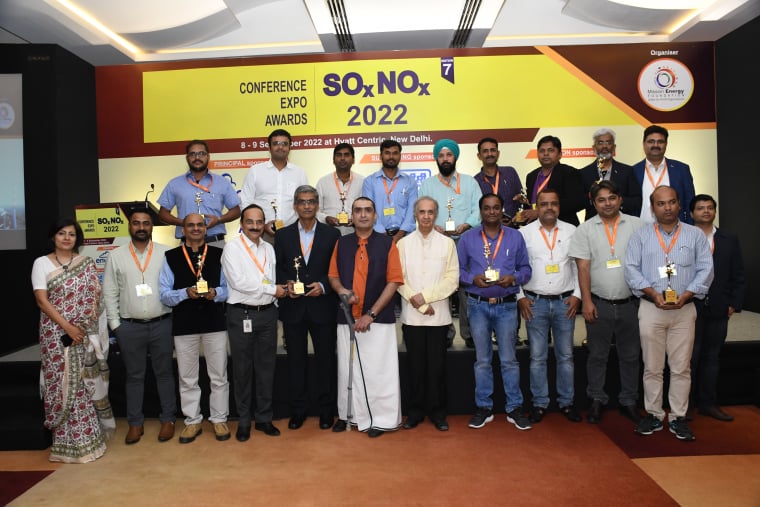
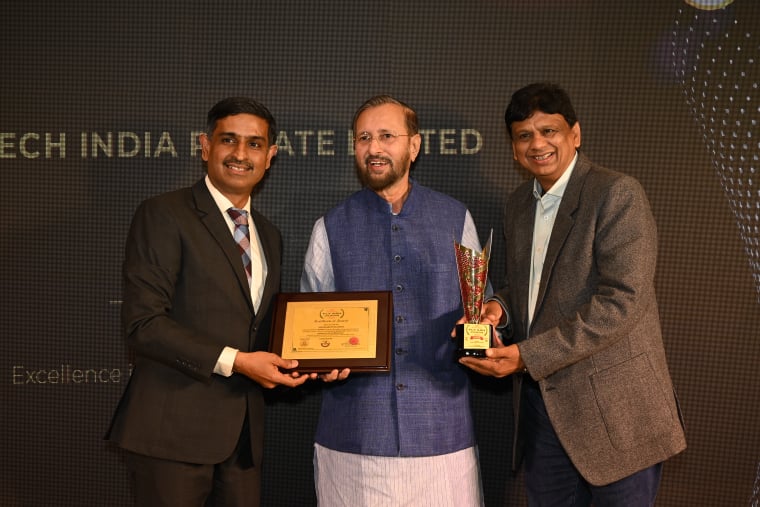
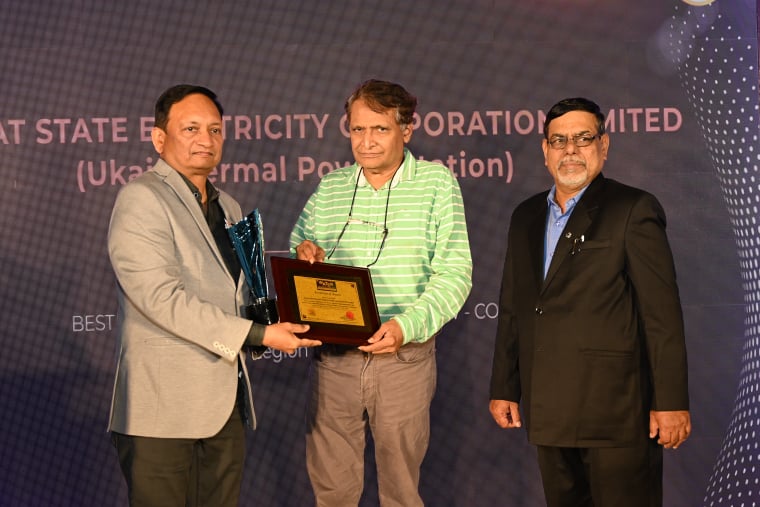
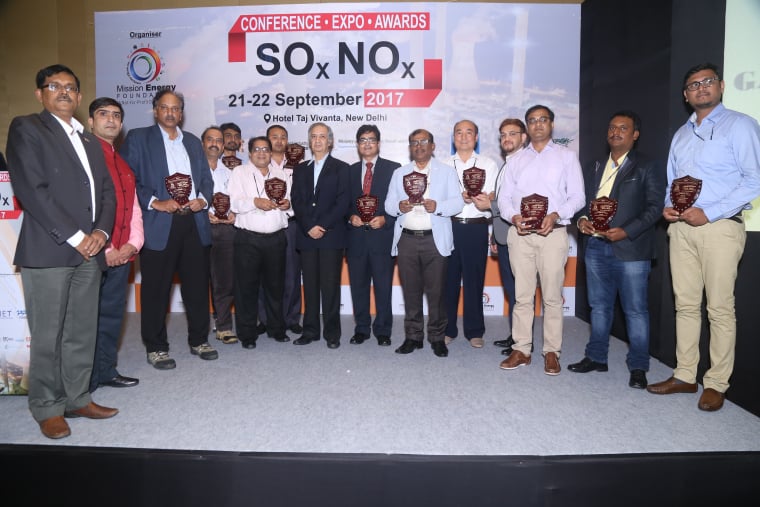
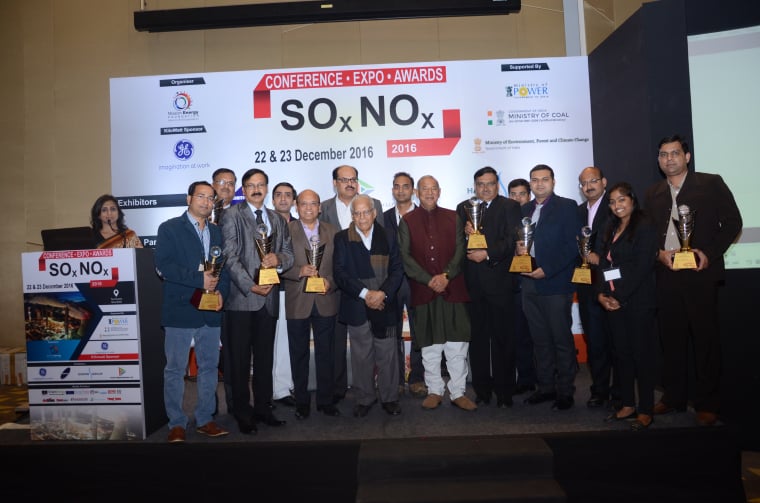

The Thermal Transition Awards aim to create a credible industry benchmark platform recognising organisations that are actively shaping the future of reliable, efficient, flexible, and lower-carbon thermal power generation in India.
Champion India’s Net-Zero Journey
By nominating your plant, you actively contribute to the national conversation on decarbonisation, showing how thermal power can be a part of the solution in achieving India’s climate commitments.
Inspire the Industry Through Your Story
Every successful sustainability initiative—big or small—has the power to influence others. Sharing your journey can motivate peers, drive innovation, and encourage replication of effective practices.
Document and Validate Your Achievements
The nomination process itself helps compile and showcase your decarbonisation milestones in a structured way—providing valuable internal documentation for future audits, CSR reports, and stakeholder presentations.
Contribute to a Knowledge-Sharing Platform
TED India 2026 will bring together diverse expertise. Your participation enriches the pool of case studies, ensuring more practical examples and learnings are available to the sector.
Highlight Long-Term Commitment, Not Just Compliance
Nominations signal that your organisation isn’t just meeting mandatory environmental regulations—it’s proactively setting higher standards for sustainable power generation.
Be Recognised as a Decarbonisation Leader
An award is more than a trophy—it’s a seal of credibility, affirming your role as a trailblazer in steering India’s thermal power sector towards a low-carbon future.
Applications should include:
Quantitative emissions reduction data (e.g., CO₂/kWh trends).
Implementation details of decarbonization technologies or processes.
Impact evidence—before-and-after performance, efficiency gains.
Innovation or uniqueness of approach (e.g., co-firing %, digital tool used).
Scalability and replicability—how approaches can be adopted elsewhere.
Sustainability metrics—energy consumed, water usage, pollution reduction.
Evaluation Process:
Desk Review: Check basic eligibility and documentation completeness.
Technical Panel Evaluation: Subject-matter experts assess content against criteria.
Site Visits or Virtual Audits (optional): Validate on-ground implementation.
Final Jury: Distinguished panel deliberates and selects winners.
Nominations Now Open – Thermal Transition Awards 2026
The Mission Energy Foundation proudly announces that nominations are now open for the Thermal Transition Awards 2026, a premier recognition platform honouring thermal power plants that have demonstrated exemplary leadership in decarbonisation.
As part of the Thermal Energy Decarbonisation (TED) India 2026 conference, these awards celebrate innovation, efficiency, and sustainability across the thermal power sector. We invite public and private sector plants, captive power producers, and small-scale units to showcase their achievements in reducing emissions, enhancing efficiency, integrating renewables, adopting advanced low-carbon technologies, and setting new benchmarks for environmental performance.
Winning or being shortlisted for a Thermal Transition Award brings unparalleled prestige, national recognition, and industry visibility. It’s an opportunity to benchmark against peers, inspire the sector, and share success stories with policymakers, technology providers, and investors.
If your plant or project has made a measurable impact towards India’s net-zero future, now is the time to step forward. Submit your nomination, tell your story, and be part of the movement driving sustainable energy transformation.
- Benefits of Participation-
Gain industry-wide acknowledgment as a leader in decarbonisation within India’s thermal power sector. Winning or even being shortlisted positions your organisation as a benchmark for sustainability and innovation.
Strengthen your corporate image with stakeholders, policymakers, investors, and the public by showcasing your commitment to climate action and responsible energy generation.
Engage directly with government officials, regulators, technology innovators, financial institutions, and fellow industry leaders during TED India 2026, opening doors for collaborations and partnerships.
Benefit from pre-event promotions, conference coverage, and post-event press releases, amplifying your achievements through Mission Energy Foundation’s outreach channels and media partners.
Present your success stories and operational insights, allowing peer plants to learn from your initiatives while also comparing your performance with other top-performing facilities in the sector.
Recognition at a national platform boosts the morale of your workforce, validating the hard work of teams involved in implementing sustainable practices and inspiring them to aim for greater milestones.
- AWARD NOMINATION PROCESS -
Decide which category of the Thermal Transition Awards 2026 you / your company wish to nominate
Each category selected shall be considered per company / location / unit / per individual
Apply Online and Make the Payment
Submit the completed application along with relevant information and we may contact for softcopy of the documents, if required.
If interested in applying for more than one unit / projects from the same company or more than one location, separate request for applications and fees should be submitted for each nomination.
E-mail justification writeup precisely should contain specific & strong information for preliminary evaluation along with supporting documents should be sent 10 days from the application
PowerPoint presentation with original documents by all short-listed nominee companies / units shall be asked, if required
Ask our team to share a copy of TEMPLATE FILE for your PowerPoint presentation
Evaluation of nominations for Thermal Transition Awards 2026 is an intensive process. Nominations are evaluated by experts from Government, Academia and Industry Professional as our discreet on board Jury
Relax and wait for the winner's announcement day i.e., 11 August 2026. The Awardee (Sr. Director / CEO / Senior Executive) must be available to attend the award function and to receive the Thermal Transition Awards 2026
INR 42500 Per Nomination Per Selected Category
Eligible to nominate TWO PARTICIPANTS per selected category
Category Discount
5% for 2+ categories
10% for 5+ categories
Apply Online and make the payment.
Submit completed TEMPLATE FILE for your PowerPoint presentation and we may contact for softcopy of the documents
If interested in applying for more than one unit / projects from the same company or more than one location, separate request for applications and fees should be submitted for each nomination.
Evaluation of nominations for Thermal Transition Awards 2026 is an intensive process. Nominations are evaluated by experts from Government, Academia and Industry.
Preliminary evaluation of shortlisted nominations. Powerpoint presentation with original documents by all short-listed nominee companies / units shall be asked, if required.
Relax and wait for the winner's announcement day i.e, 11 August 2026. If your nominated company / units have demonstrated the highest level of commitment and best practice towards the Thermal Transition Awards 2026, you shall be recognised and honored.
Winners of Thermal Transition Awards 2026 shall be honored on 11 August 2026.
- AWARD CATEGORIES -
1. Best Overall Decarbonisation Initiative – Large (>500 MW)
2. Best Overall Decarbonisation Initiative – Medium (100–500 MW)
3. Best Overall Decarbonisation Initiative – Small (<100 MW)
4. Best Captive Power Plant Decarbonisation
5. Most Improved Plant Efficiency
6. Lowest Specific CO₂ Emissions (per MWh)
7. Best Waste Heat Recovery Implementation
8. Best Coal Quality Management for Emissions Reduction
9. Excellence in Biomass Co-firing (>10% blend)
10. Excellence in Biomass Co-firing (5–10% blend)
11. First-time Biomass Co-firing Implementation
12. Innovative Biomass Supply Chain Development
13. Best Hybrid Renewable-Thermal Integration
14. Best Solar PV Integration in Thermal Plant
15. Best Wind Integration in Thermal Plant
16. Best Carbon Capture, Utilisation & Storage (CCUS) Initiative
17. Best Flue Gas Desulphurisation (FGD) Performance
18. Best Low-NOx Burner Implementation
19. Excellence in AI/ML-based Plant Optimisation
20. Best Ash Management & Utilisation Initiative
21. Best Water Efficiency in Thermal Plant
22. Best Zero Liquid Discharge (ZLD) Implementation
23. Best Use of Treated Sewage Water in Plant Operations
24. Best Preventive Maintenance for Emission Reduction
25. Excellence in Digital Twin Implementation for Decarbonisation
26. Best Training & Capacity Building for Low-carbon Operations
27. Best CSR Initiative Linked to Decarbonisation
28. Best Stakeholder Engagement for Clean Energy Transition
29. Best Captive Biomass Co-firing Project
30. Best Captive Carbon Capture Implementation
31. Best Captive Plant Efficiency Improvement
32. Best Small Plant (<50 MW) Renewable Integration
33. Best Small Plant (<50 MW) Water Management
34. Most Innovative Low-Carbon Technology Adoption
35. Best Public Sector Plant Decarbonisation
36. Best Private Sector Plant Decarbonisation
37. Young Engineer of the Year – Decarbonisation Champion
38. Lifetime Achievement in Thermal Energy Sustainability
39. Best Green Supply Chain for Thermal Power Sector
40. Special Jury Award for Breakthrough Decarbonisation Initiative
41. Innovation in Decarbonisation Technology
(Breakthrough solutions in reducing carbon emissions from thermal plants)
42. Excellence in Biomass & Alternate Fuel Solutions
(Pellets, aggregation, supply chain, or logistics that enable co-firing)
43. Best Carbon Capture & Utilisation (CCUS) Solution Provider
(Technologies or pilots demonstrating measurable impact)
44. Outstanding Flue Gas Desulphurisation / Emission Control Technology
(FGD, Low-NOx burners, APC systems, etc.)
45. Excellence in Water & Waste Resource Management
(ZLD, wastewater reuse, ash utilisation, circular economy)
46. Digital Transformation Leader
(AI, ML, IoT, digital twins, or data analytics for decarbonisation)
47. Best Operations & Maintenance Service Provider
(Efficiency-driven retrofits, predictive maintenance, plant optimisation)
48. Sustainability Advisory / Consulting Excellence
(Policy, ESG, or strategic consulting enabling decarbonisation pathways)
49. Start-up of the Year – Clean Thermal Technology
(Emerging players with innovative solutions in the thermal transition space)
50. Lifetime Achievement – Service to Decarbonisation
(Individual or organisation with long-term contribution to sustainability in thermal sector)
15 June 2026
31 July 2026
05 August 2026
11 August 2026
- Registration Process -
To participate as Delegates / be a Speaker submit your online registration
We will email you an digitally signed invoice along with necessary required documents for processing the payment.
Make online payment via Bank Transfer / Credit Card / Cheque / DD to our postal address.
Group Discount
5% for 3+ Participants
10% for 7+ Participants
Category Discount
5% for 2+ Categories
10% for 5+ Categories

Sponsorship Support
Registration Support

Registration Support
Speaker Support

Invoice Support
The Organisation
Mission Energy Foundation is a persistent, private, not-for-profit endeavour based in Mumbai, India. We are registered under sec 25 (1), 80G & 12AA respectively.
The Begining
A single man army with its mission to build platforms of discussion, exchange knowledge among industry professionals on core issues pertaining to growing energy sector.
GOAL
Mission Energy Foundation is a micro-enterprise initiative that strives to spread knowledge in the globalising energy sector. We educate and spread technology awareness through ongoing contacts and discussions with the public and industry concerning what the future of the growing energy sector should be...
Today
A human asset working together as one endeavour that expertise in organising and delivering successful international summits involving who's who from Entrepreneurs to Academicians to Government Authorities to Technology Providers to Consultants to Industry Professionals from the growing energy sector globally.
GSTN (MH) - 27AAICM0818M1Z7
GSTN (DL) - 07AAICM0818M1Z9
GSTN (Goa) - 30AAICM0818M1ZK
Refund / Cancellation / Privacy Policy
Terms & Conditions
Copyright 2025, all rights reserved.