India’s power sector today stands at an inflection point. With an installed generation capacity of over 520 GW as of January 2026, the country has emerged as one of the world’s largest electricity systems. Coal-based thermal power continues to account for nearly 220 GW and remains the backbone of reliable baseload and dispatchable power. At the same time, India’s demand trajectory continues to accelerate, with electricity generation already crossing 1,845 billion units in FY 2025–26 and long-term peak demand projected to touch nearly 459 GW by 2035–36. This scale of growth makes thermal power indispensable in the medium term. However, the nature of thermal power’s role is undergoing a profound transformation.
India’s clean energy ambitions are now reshaping grid operations at an unprecedented pace. The country has already achieved over 283 GW of non-fossil installed capacity, crossing the milestone of 50 percent cumulative installed capacity from non-fossil sources ahead of its 2030 target. Solar and wind are increasingly altering daily dispatch patterns, especially during high solar generation periods when thermal stations are forced to reduce output significantly. As renewable penetration rises further, the challenge is no longer only about adding green capacity—it is about creating a power system that can absorb variable energy while ensuring round-the-clock reliability. Flexible thermal power plants are therefore becoming the bridge between India’s renewable ambition and grid security.
This is precisely why thermal flexibilisation has become a national policy priority. The Central Electricity Authority has already laid out a roadmap for coal-based thermal plants to progressively operate at 40 percent minimum technical load by 2030, supported by improved ramping requirements, digital controls, and operational protocols. Recent studies and committee assessments have further reinforced that flexible operation is technically feasible, but it requires structured retrofits, better operator preparedness, and commercial mechanisms to compensate for cycling-related wear and tear. The future of India’s thermal fleet will depend on how effectively plants can adapt from traditional baseload stations into agile balancing assets.
However, thermal flexibility in India today must be viewed in the context of multiple converging policy priorities. One of the most significant is biomass co-firing. The Ministry of Power has already mandated biomass pellet co-firing in coal-based thermal plants, starting with 5 percent blending from FY 2024–25 and increasing to 7 percent from FY 2025–26. This policy is not only aimed at reducing emissions, but also at addressing crop residue burning, improving rural income, and promoting circular economy solutions. As of December 2025, more than 72 thermal power plants had already started biomass co-firing, with over 40 lakh metric tonnes of biomass consumed. This demonstrates that thermal plants are no longer just conventional fossil assets; they are increasingly becoming platforms for cleaner fuel integration and environmental co-benefits.
In parallel, India is also beginning to integrate municipal solid waste-derived torrefied fuel and alternative low-carbon fuels into coal plants. This marks an important policy shift toward diversified fuel strategies and resource circularity. Such interventions are expected to play a critical role in lowering emissions intensity while improving fuel resilience. For thermal plants, this means that operational flexibility must now include not just load flexibility, but also fuel flexibility. Flexible Operation of Thermal Plants 2026 shall therefore address how plants can manage combustion dynamics, boiler performance, ash characteristics, emissions control systems, and supply chain readiness in an era of blended fuel operations.
Battery Energy Storage Systems (BESS) and pumped hydro storage are also becoming key pillars of India’s power transition. India’s generation adequacy plans now envisage massive storage additions over the next decade to manage renewable intermittency and support peak balancing. However, storage deployment at scale will take time, and even as storage grows, thermal plants will remain critical for system inertia, spinning reserves, and reliability during prolonged renewable variability. The future power system will not be built on storage alone; it will depend on hybrid coordination between renewables, storage, hydro, and flexible thermal generation. This makes the discussion around coal-plus-storage integration, thermal-BESS hybrid dispatch, and coordinated ancillary services especially relevant for this year’s Flexible Operation of Thermal Plants 2026.
Another critical emerging policy area is green hydrogen and low-carbon industrial decarbonisation. India’s National Green Hydrogen Mission is creating a pathway for large-scale green hydrogen production and industrial usage, especially in refining, fertilisers, steel, and hard-to-abate sectors. While hydrogen integration into thermal power generation is still at a nascent stage, it represents an important future pathway for coal fleet decarbonisation, combustion innovation, and blended fuel trials. Over the next decade, thermal plants may increasingly need to explore hydrogen-readiness, flexible burner technologies, carbon intensity reduction measures, and hybrid renewable-linked hydrogen ecosystems. Flexible Operation of Thermal Plants 2026 presents an ideal platform to begin that conversation and prepare thermal stakeholders for the next wave of technological transition.
The significance of Flexible Operation of Thermal Plants 2026 lies in the fact that India is now moving beyond policy intent into the execution phase of power sector transformation. Over the last two editions, the platform successfully helped establish the importance of flexibility and created awareness around operational challenges. This year, the industry needs to move decisively toward actionable solutions. The sector requires clarity on plant retrofits, digital optimisation, advanced process control systems, boiler-turbine stress management, emissions compliance under cycling conditions, commercial compensation frameworks, biomass supply chain readiness, storage coordination, and future low-carbon pathways.
This edition must therefore position itself not merely as a technical event, but as India’s flagship strategic platform on the future role of thermal power in a renewable-led grid. It should bring together policymakers, regulators, utilities, generators, load dispatch centres, technology providers, storage developers, fuel innovators, and plant operators to create a shared roadmap for the next decade. Flexible Operation of Thermal Plants 2026 shall help redefine the thermal plant of the future: not as a legacy asset, but as a flexible, cleaner, digitally enabled, and commercially resilient cornerstone of India’s energy transition.
The awards segment will further strengthen this mission by recognising plants and organisations that are leading in low-load operations, ramping excellence, biomass co-firing, emissions-compliant flexibility, storage integration, digital innovation, and operational resilience. Such recognition is essential because India’s energy transition will ultimately be delivered not only by national targets and policy announcements, but by the day-to-day innovation and performance of engineers, plant teams, and utilities across the country.
India’s power future will be determined not only by how much renewable capacity it adds, but by how intelligently it integrates all available resources into one resilient system. Flexible thermal power is no longer just a balancing requirement—it is the foundation on which India’s reliable, affordable, and sustainable power future will be built. Flexible Operation of Thermal Plants 2026 is therefore both timely and essential, and has the potential to become the defining industry platform that shapes the next chapter of India’s power sector transformation.
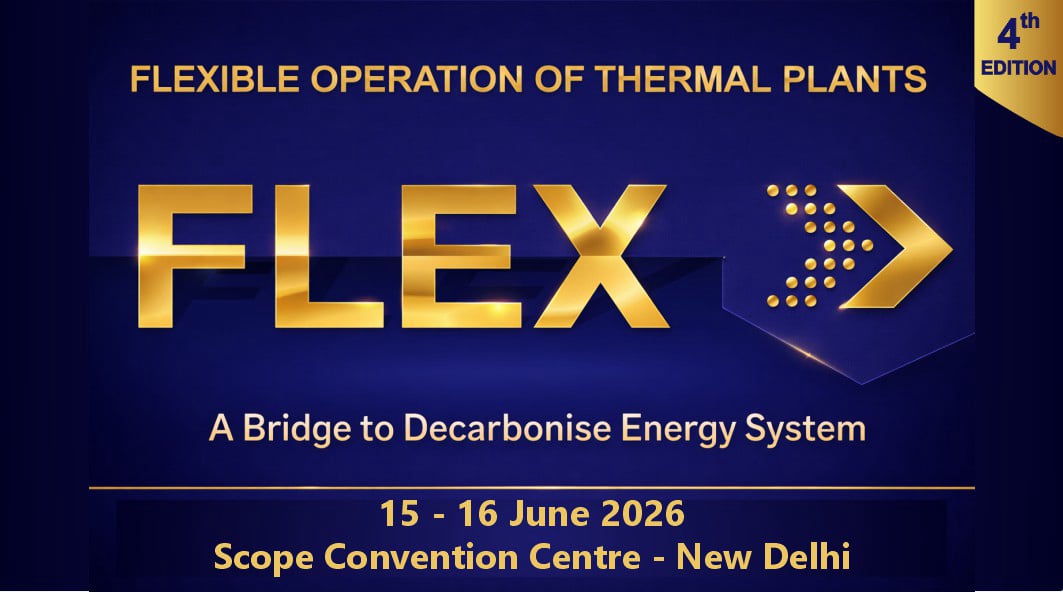
At a time when India is rapidly scaling renewable energy, battery storage, biomass co-firing, and emerging green hydrogen pathways, the role of thermal power plants is undergoing a fundamental transformation. Coal-based plants, which still form the backbone of grid reliability, are now expected to operate more flexibly, efficiently, and sustainably to support India’s evolving power system. With rising demand, deeper renewable penetration, stricter emissions norms, and new policy mandates, the sector urgently needs a common platform to address operational challenges, share best practices, align on policy and commercial frameworks, and accelerate adoption of future-ready solutions. This makes the 4th Edition Conference & Awards on Flexible Operation of Thermal Power Plants 2026 not just timely, but a critical industry imperative to support India’s reliable and resilient energy transition.
✔ Gain strategic insights into India’s latest policies, regulations, and market developments shaping thermal flexibility and grid reliability.
✔ Learn practical solutions for low-load operations, faster ramping, biomass co-firing, and integration with renewables, BESS, and emerging fuels.
✔ Hear real-world case studies and proven best practices from leading thermal power plants and utilities.
✔ Engage directly with policymakers, regulators, grid operators, OEMs, and technology providers to address operational and commercial challenges.
✔ Benchmark your plant’s readiness, explore future-ready technologies, and build partnerships to navigate India’s evolving energy transition.
India’s Evolving Thermal Flexibility Policy & Regulatory Roadmap
Latest Ministry of Power and CEA directives on thermal flexibilisation
Minimum technical load reduction targets and implementation pathways
Grid code updates and dispatch protocols for flexible operations
Ancillary services framework and market participation opportunities
Policy support mechanisms for retrofit and flexibility investments
Low-Load Operations, Ramping & Cycling Best Practices
Safe operation at 40–55% minimum load levels
Improving ramp rates without compromising plant stability
Two-shift operations and start-stop optimisation
Lessons from pilot projects and successful plant case studies
Standard operating practices for flexible dispatch
Biomass Co-firing & Cleaner Fuel Integration
Biomass co-firing mandates and compliance roadmap
Fuel blending strategies and combustion optimisation
Biomass pellet sourcing and supply chain management
Impact on boiler efficiency, ash handling, and emissions
Emerging opportunities in alternative fuels and waste-to-energy
Thermal Plant Reliability, Asset Life & Maintenance
Managing boiler and turbine stress under cycling conditions
Thermal fatigue monitoring and life assessment techniques
Predictive maintenance and condition monitoring tools
Strategies to reduce forced outages and improve availability
Asset life extension under flexible operations
Digitalisation, AI & Advanced Control Solutions
Advanced process control systems for dynamic operations
AI-driven load optimisation and dispatch planning
Digital twins for plant performance monitoring
Real-time data analytics for efficiency improvement
Cybersecure digital upgrades for legacy plants
BESS, Pumped Hydro & Renewable Integration
Role of thermal plants in balancing renewable variability
Thermal + BESS hybrid operational strategies
Pumped hydro coordination for peak management
Managing solar duck curve and evening ramp challenges
Renewable forecasting and grid integration tools
Ancillary Services, Grid Balancing & Dispatch Optimisation
Frequency response and reserve management strategies
Real-time market participation opportunities
Flexible scheduling and economic dispatch
System balancing requirements in high-RE scenarios
Role of thermal plants in grid resilience
Flexibility Economics, Tariffs & Compensation
Cost implications of cycling and low-load operations
Wear-and-tear compensation frameworks
Tariff reforms for flexible generation support
Revenue opportunities from ancillary services
Investment case for flexibility retrofits
Future Pathways: Hydrogen & Low-Carbon Transition
Green hydrogen opportunities for thermal sector
Hydrogen blending readiness and pilot projects
Low-carbon thermal technologies and retrofits
Carbon intensity reduction strategies
Thermal plant role in India’s net-zero pathway
Power Generation Utilities
Coal-based thermal power plants, IPPs, central and state generation companies, captive power producers
Transmission & Distribution Utilities
State DISCOMs, transmission utilities, load dispatch centres, grid operators
Renewable Energy & Storage Developers
Solar, wind, hybrid project developers, BESS providers, pumped hydro developers
Policy, Regulatory & Government Bodies
Ministry officials, regulators, CEA, SERCs, SLDCs, policy institutions
Technology & Equipment Providers
OEMs, EPC companies, turbine/boiler manufacturers, automation and digital solution providers
Fuel & Sustainability Solution Providers
Biomass suppliers, alternative fuel providers, hydrogen technology companies, emissions solution providers
Operations, Maintenance & Engineering Professionals
Plant heads, O&M teams, reliability engineers, performance improvement specialists
Consultants, Researchers & Technical Institutions
Energy consultants, technical advisors, research organisations, academic institutions
Investors & Project Developers
Infrastructure funds, lenders, project financiers, strategic investors
Industry Associations & Service Providers
Sector associations, service companies, testing agencies, innovation partners
Leadership & Strategy
CXOs, Business Heads, Strategy Leaders, Asset Owners
Plant Operations & Maintenance
Plant Heads, O&M Heads, Shift In-charges, Reliability Managers
Engineering & Technical Services
Chief Engineers, Performance Engineers, Boiler/Turbine Specialists, Asset Management Teams
Grid Operations & Dispatch
Load Dispatch Officials, Grid Controllers, Scheduling & Forecasting Teams
Regulatory & Commercial
Regulatory Affairs Heads, Tariff Specialists, Commercial Managers, Market Analysts
Sustainability & Fuel Management
Biomass Co-firing Leads, Fuel Procurement Teams, Sustainability Managers, Emissions Compliance Experts
Digital & Innovation
Automation Leads, Digital Transformation Heads, AI/Data Analytics Teams
Project Development & Planning
Project Heads, Retrofit Planning Teams, Expansion & Modernisation Teams
Policy & Advisory
Government Officials, Regulators, Policy Advisors, Sector Experts
Research & Consulting
Researchers, Technical Consultants, Knowledge Partners, Industry Analysts
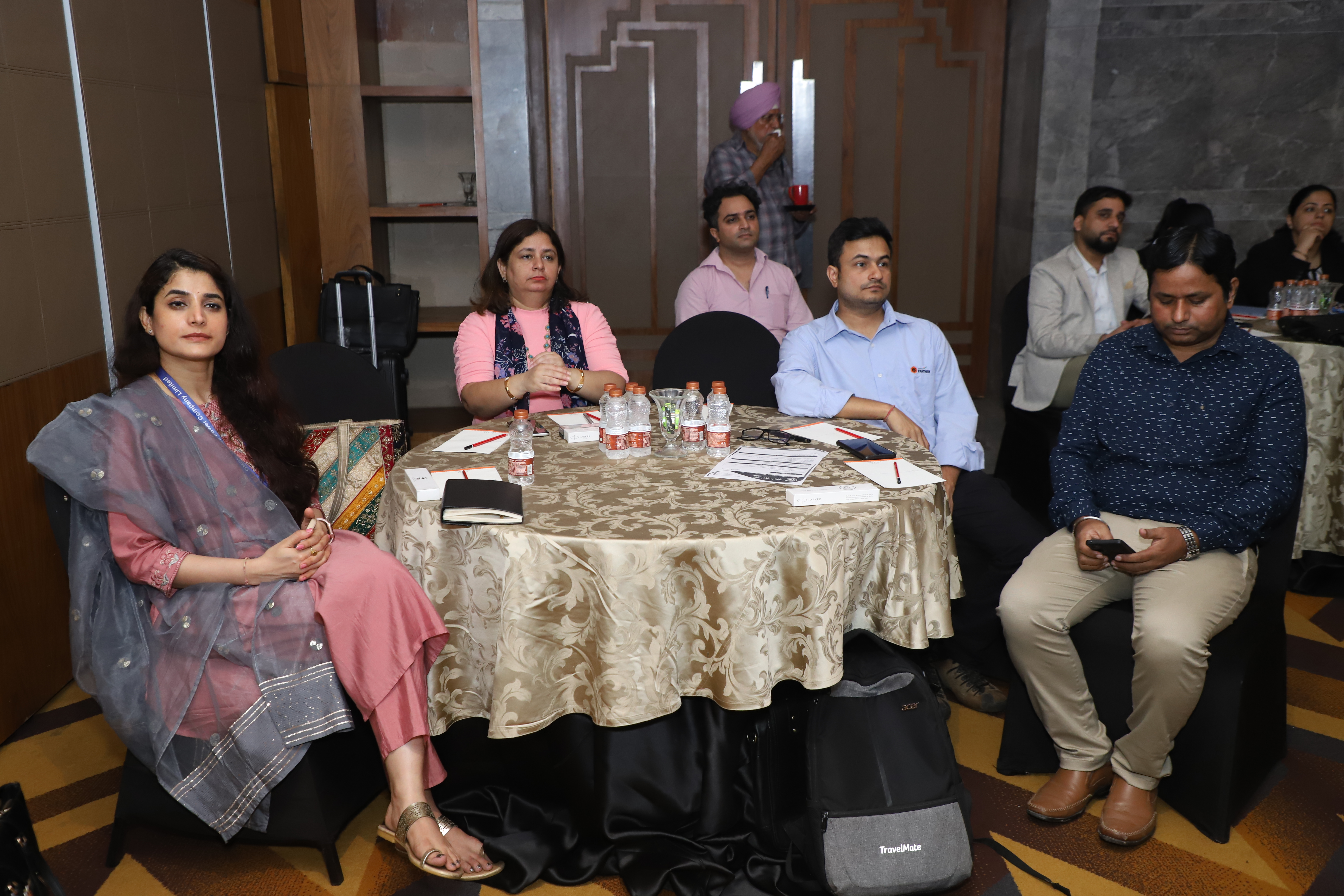
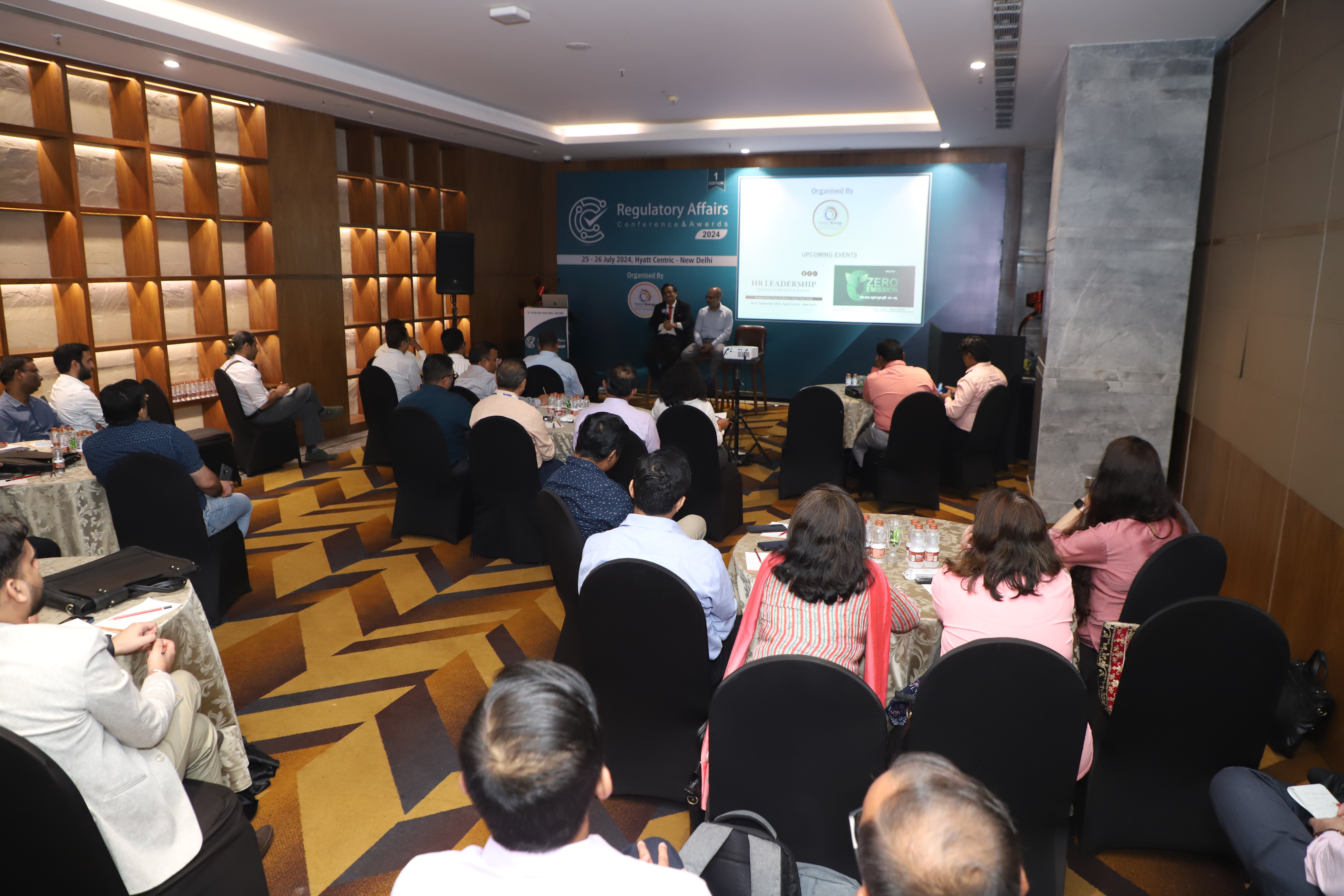
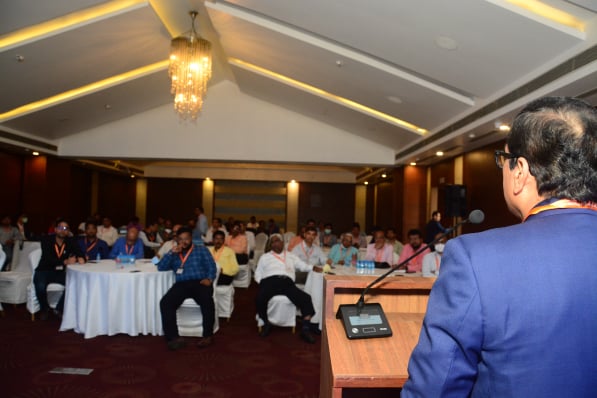
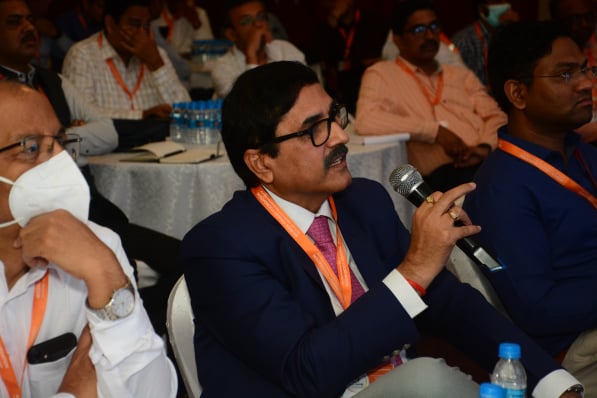
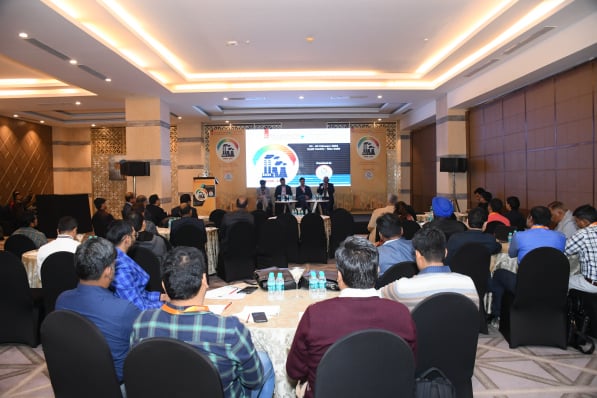
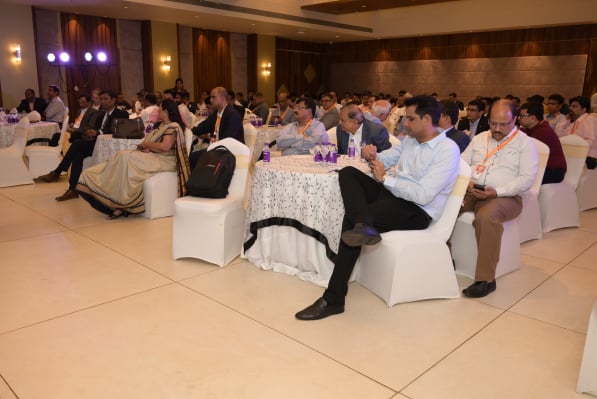
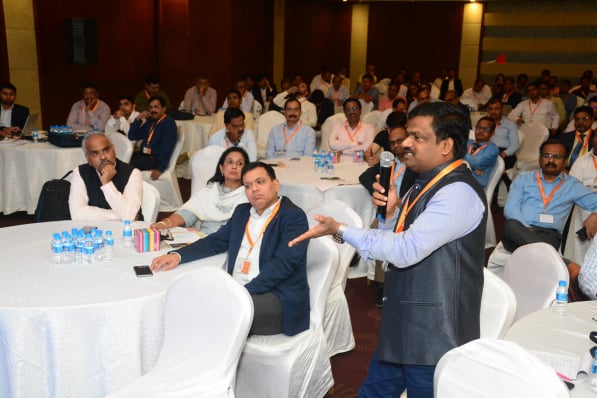
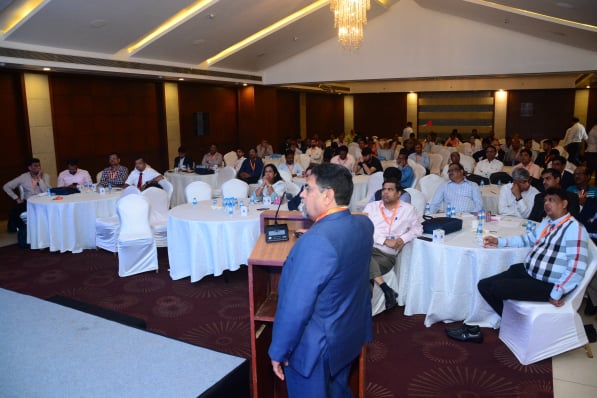
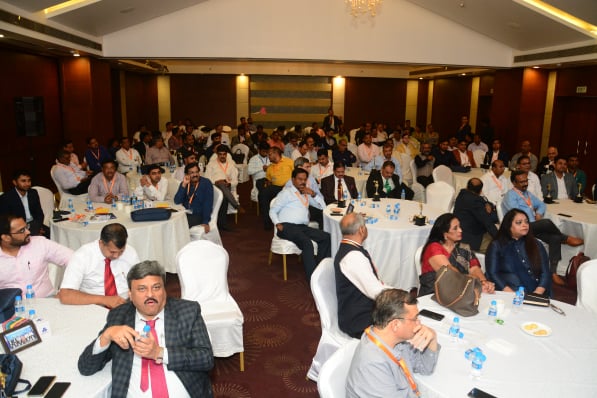
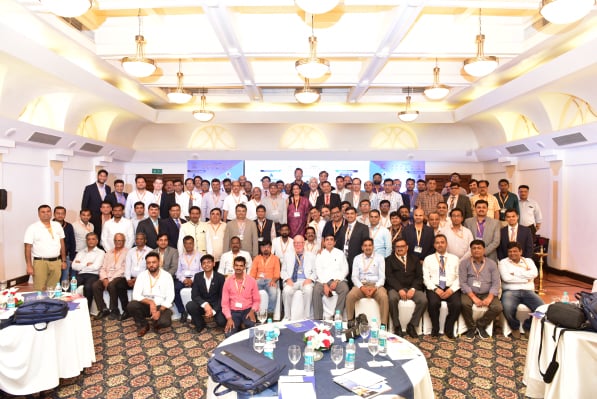
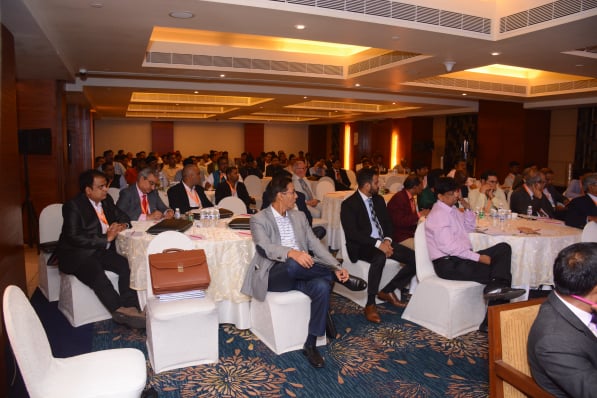
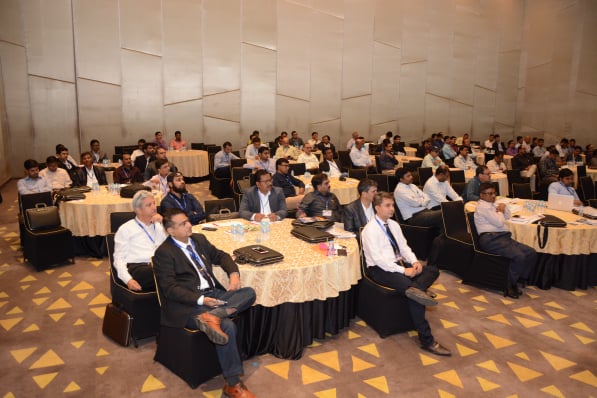
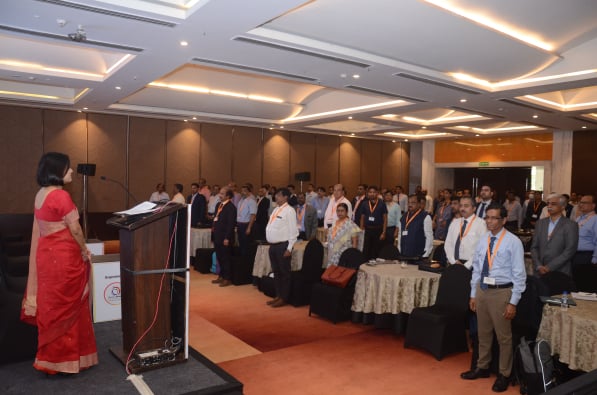
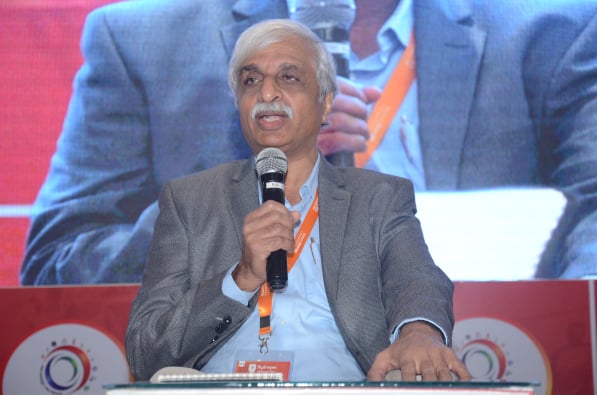
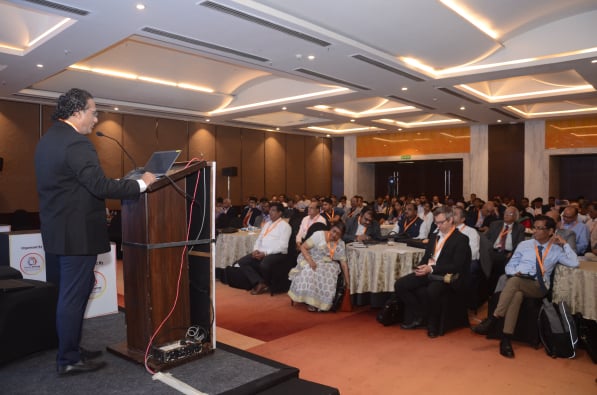
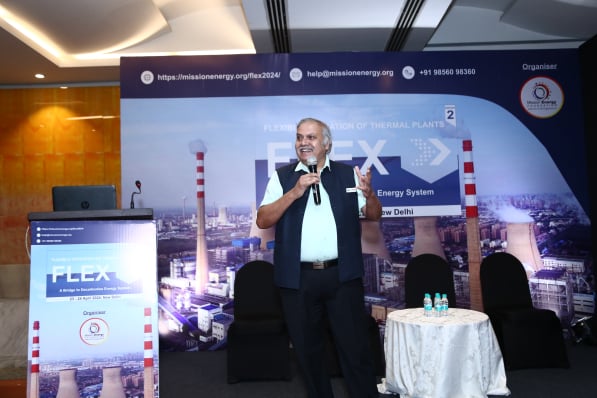
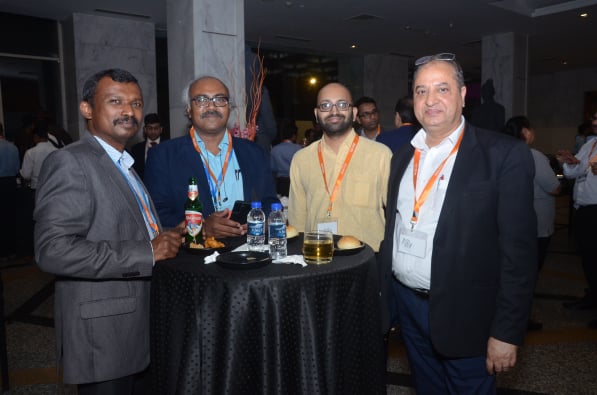
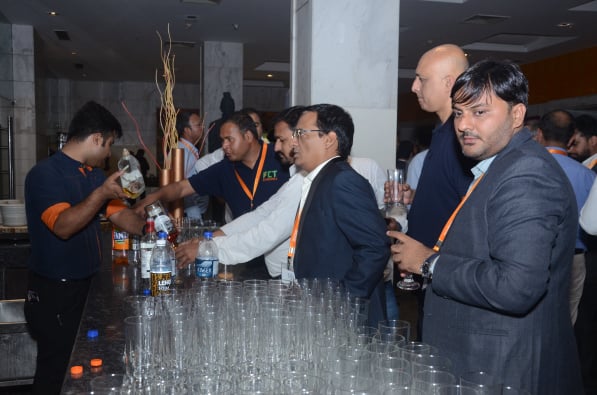
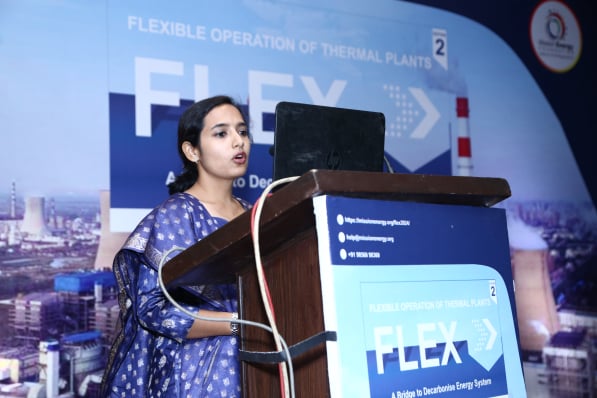
Our aim is to deliver you an event that exceeds your expectations, thus becoming an integrated part of your annual marketing program.
Sponsoring FLEX - 2026 will make your company stand out as a leader in this burgeoning industry and will leave a strong impression of your brand in key decision makers minds. Sponsors have an incredible amount of presence and it will not only give your company optimum exposure but also the opportunity for delegates to meet you and your executives to find out more about your role and business opportunities in the sector.
Why Sponsor?
Gain PUBLICITY with our advertising and promotional campaigns
Obtain DIRECT ACCESS to potential clients during and after with our meticulously prepared confidential delegate list
Receive a KEY SPEAKING POSITION to address an audience of top executives and decision makers from the industry
Create PERMANENT REMINDERS of your product or services in conference documentation
Profile yourself as INDUSTRIAL LEADER, as your corporate logo and profile will be featured prominently in event marketing collaterals
NETWORKING with the industries leading Government Officials, Senior Level Delegates and Experts
Achieve GREATER EXPOSURE and BRAND BUILDING through our partners and much more
Refer to the below tabular of varied sponsorship options and benefits.
INR 745000 / USD 9950
7 Delegate Passes - Logo on Brochure Cover Page - Logo on Brochure Inside Page, Conference Backdrop, Registration Desk Backdrop & Conference Website, Logo on I am Attending Banner, Logo on eCONNECT | Attendee Access Portal, Send Meeting Request in eCONNECT (upcoming feature) - Corporate Banner in Networking Area - Merchandise Distribution - Screening of Company Film - Circulation of Company Literature - Thanking Announcements - Speaking Opportunity - Panel Discussion Moderator
INR 645000 / USD 8950
5 Delegate Passes - Logo on Brochure Cover Page - Logo on Brochure Inside Page - Logo on Conference Backdrop - Logo on Registration Desk Backdrop - Logo on Conference Website, Logo on I am Attending Banner, Logo on eCONNECT | Attendee Access Portal, Send Meeting Request in eCONNECT (upcoming feature) - Banner in Networking Area - Merchandise Distribution - Screening of Company Film - Circulation of Company Literature - Thanking Announcements - Speaking Opportunity - Panel Discussion Panelist
INR 545000 / USD 7950
3 Delegate Passes - Logo on Brochure Cover Page - Logo on Conference Backdrop - Logo on Conference, Logo on Website I am Attending Banner, Logo on eCONNECT | Attendee Access Portal, Send Meeting Request in eCONNECT (upcoming feature) - Circulation of Company Literature - Thanking Announcements - Panel Discussion Panelist
INR 445000 / USD 6950
2 Delegate Passes - Logo on Brochure Cover Page - Logo on Conference Backdrop - Logo on Conference Website - Circulation of Company Literature - Thanking Announcements
INR 345000 / USD 5950
1 Delegate Passes - Logo on Brochure Cover Page - Logo on Conference Website - Circulation of Company Literature - Thanking Announcements
INR 245000 / USD 4950
Logo on Conference Backdrop - Logo on Conference Website - Thanking Announcements
Nityanand Gavandi
President Partnership
partnership@missionenergy.org
+91 98208 14644
*Invited Speakers
Monday, 15 June 2026
09:30 - 11:00 | Achieving Lower Minimum Technical Load: Practical Pathways to Stable 40–55% Operation
Key Discussion Areas: Combustion stability at low load - Mill combinations and flame management - Low-load boiler tuning and draft control - APC interventions for stable operation - Best practices from operating plants
Bikash Chandra Mallick Principal Chief Engineer (TPRM) – CEA
11:00 – 11:30 | Networking Tea Break
11:30 – 13:00 | Faster Ramping & Two-Shift Operations: Enhancing Thermal Plant Responsiveness
Key Discussion Areas: Improving ramp rates without compromising equipment - Boiler-turbine coordination during load changes
Start-up / shutdown optimisation - Thermal cycling protocols - Real case studies on two-shift operations
Anjan Kumar Sinha, Technical Director - Intertek India
Sanjoy Bhattacharya, GM Technical Services – BHEL Limited
Janmejaya Mahapatra, Chief Executive Officer - SEIL Energy India Limited
13:00 – 14:00 | Networking Lunch Break
14:00 – 16:00 | Managing Equipment Stress Under Flexibility: Protecting Boiler, Turbine & BOP Health
Key Discussion Areas: Thermal fatigue and life consumption - Critical equipment stress hotspots - Tube leak prevention strategies - Vibration and thermal expansion monitoring - Reliability-centred maintenance under cycling
N Srinivasan, Director Engineering - Arris Engineering
Pratyush Lenka, Sr DGM Head Proposal & Performance - L&T MHI Power Boilers Private Limited
H S Cheema, Managing Director - Cheema Boilers Limited
16:00 – 16:30 | Networking Tea Break
16:30 – 18:00 | Digitalisation for Flexible Operations: APC, AI & Real-Time Plant Optimisation
Key Discussion Areas: Advanced process control for low-load stability - AI-based combustion optimisation - Predictive maintenance for cycling plants - Digital twins and real-time diagnostics - Flexibility performance benchmarking
Sandeep Chittora, Associate Partner - KPMG India
Boben Anto Chemmannoor, Director – ExactSpace
Jayant Sinha, Senior Principal Consultant (Energy and Utilities) - Entruist Power
Tuesday, 16 June 2026
09:30 - 11:30 | Fuel Flexibility for Flexible Operations: Biomass Co-firing & Alternative Fuels
Key Discussion Areas: Biomass co-firing impact on low-load operations - Combustion behaviour under blended fuels - Slagging / fouling management - Fuel handling and storage readiness - Future low-carbon fuel opportunities
Raj Bandhu Santosh, VP Fuel Management - Adani Power Limited
Girish Ghildiyal, Head Sustainability & New Energy - HPCL Mittal Energy Limited
Amit Ashok, Director - Annirudha Telemetry Systems
11:30 – 12:00 | Networking Tea Break
12:00 – 13:00 | Thermal Plants as Grid Balancing Assets: Renewable Integration, Reserves & Ancillary Services
Key Discussion Areas: Thermal role in managing solar / wind variability - Managing duck curve and steep ramps - Reserve support and frequency response - Grid dispatch and renewable forecasting - Thermal + storage coordination
Dr Prateek Sharma, Group Manager & Program Leader (Advance Fuel Technology) - CME-NCCBM
Pinkesh Kumar, Partner - Joulecube Energy
13:00 – 14:00 | Networking Lunch Break
14:00 – 16:00 | Commercial Challenges of Flexibility: Cost, Compensation & Market Opportunities
Key Discussion Areas: Cost of low-load operation and cycling - Heat rate and auxiliary consumption impacts - Wear-and-tear compensation models - Tariff reforms for flexibility - Ancillary services revenue streams
Dr. T Mallikharjuna Rao, Director - Central Power Research Institute
Kamal Kishore Mundhada - Power Plant Consultant & Trainer
Pradip Kumar Bandyopadhyay- Independent Consultant Energy Sector
16:00 – 16:30 | Networking Tea Break
16:30 – 17:30 | The Ceremony: Power Plant Performance Awards - 2026
17:30 - 17:35 | Vote of Thanks & End of Conference
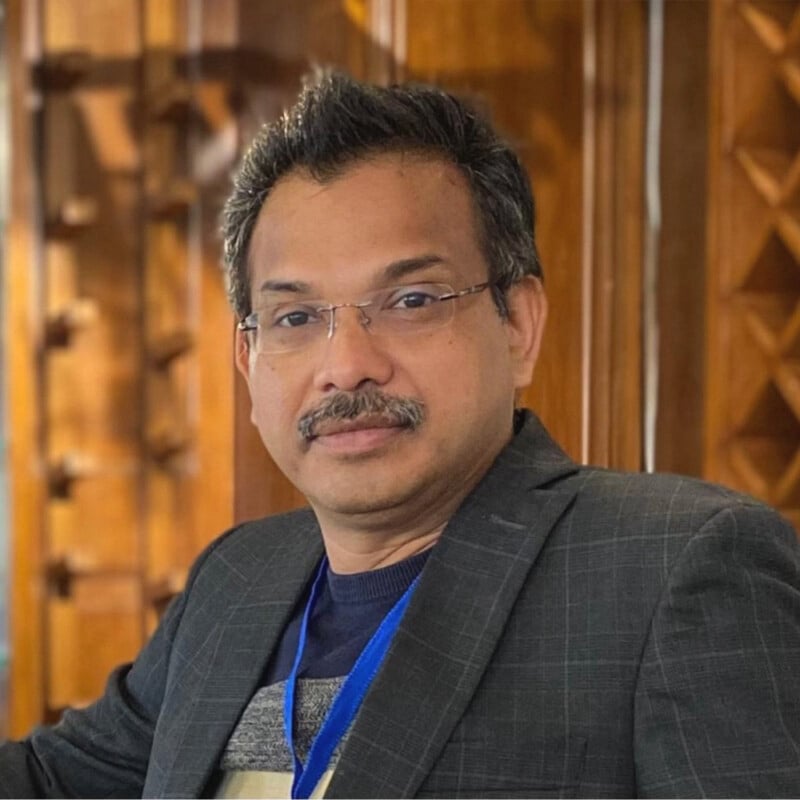

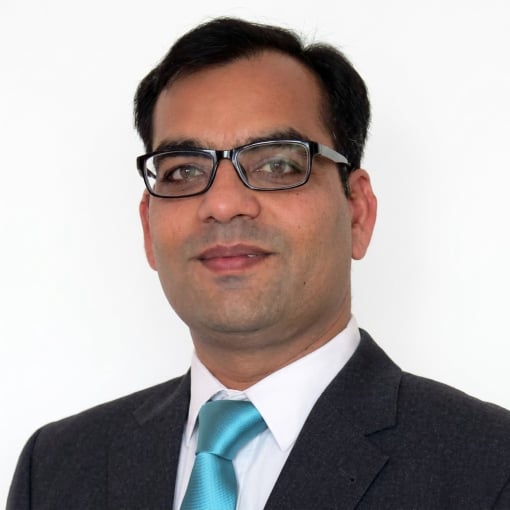
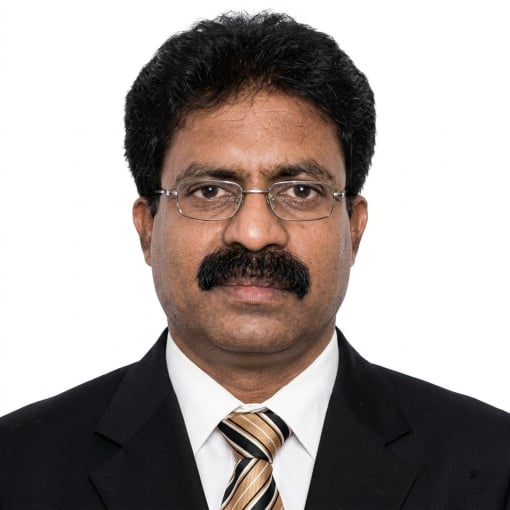
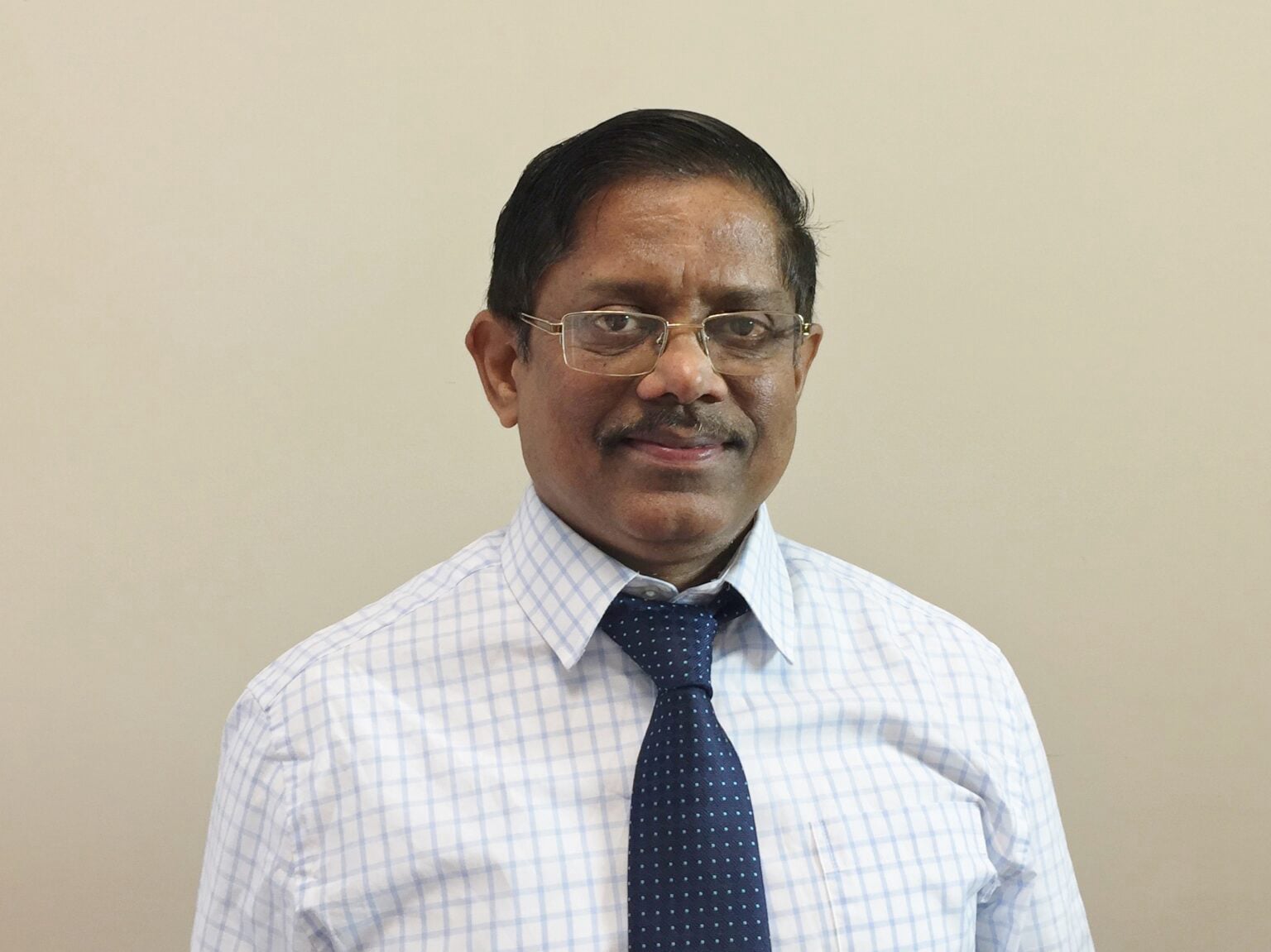
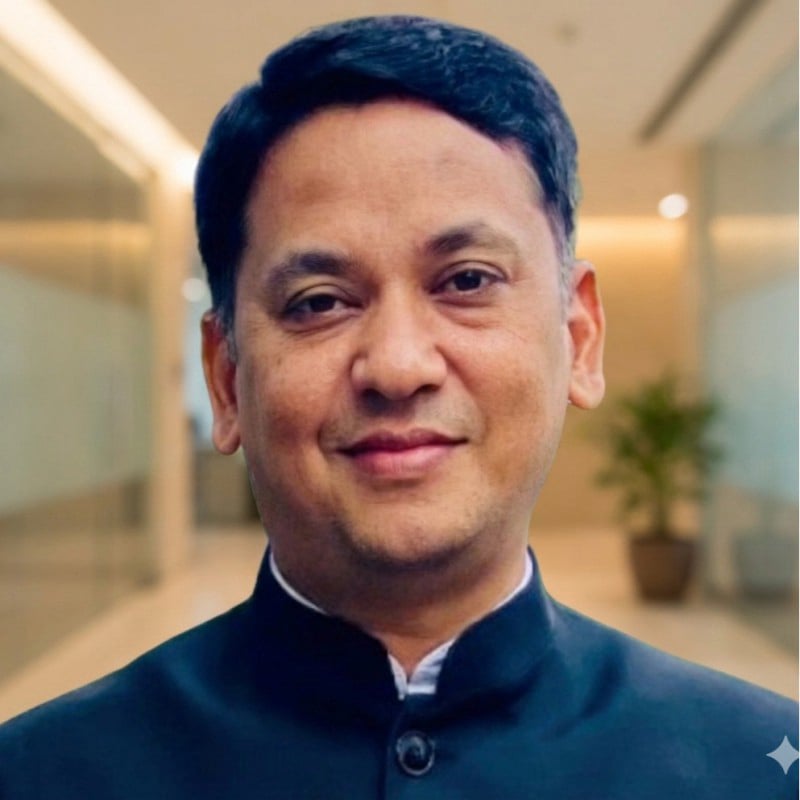
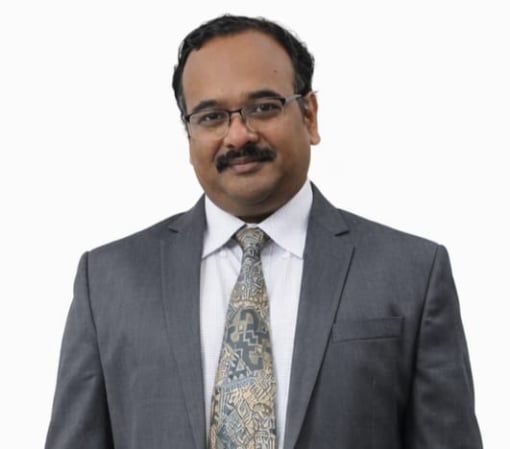
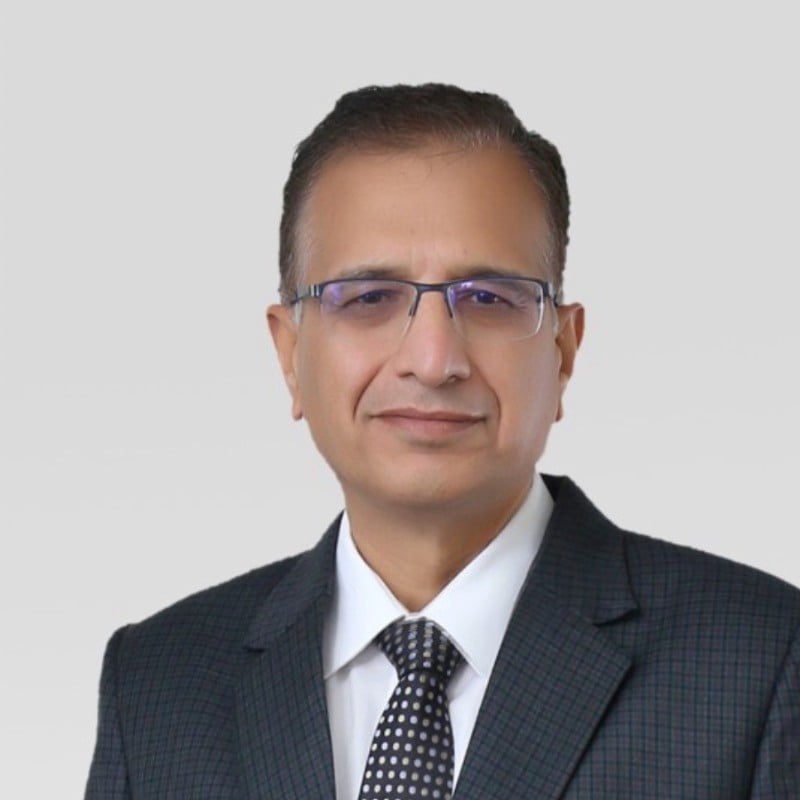
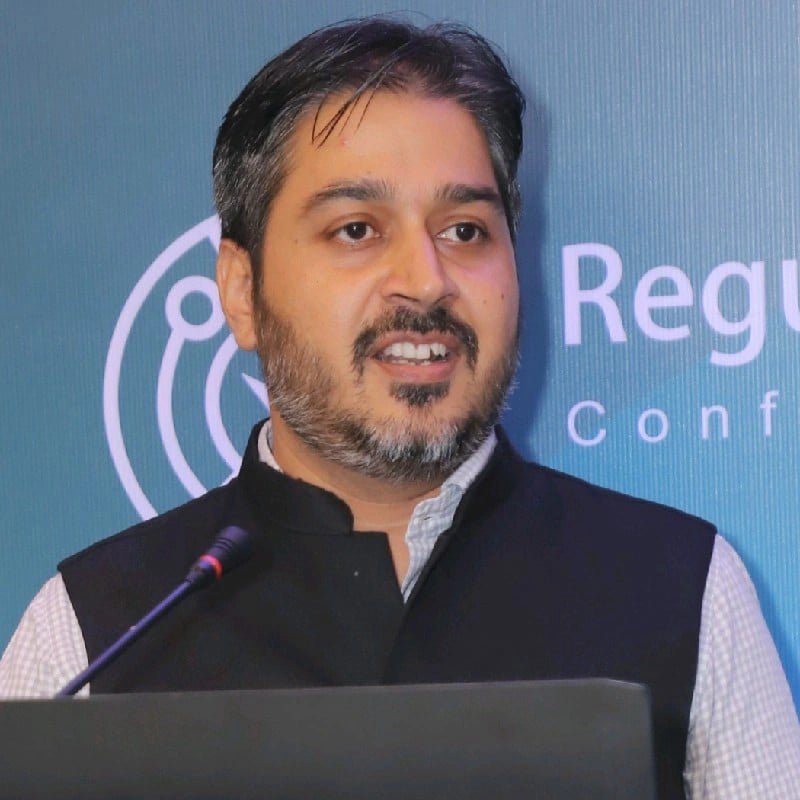

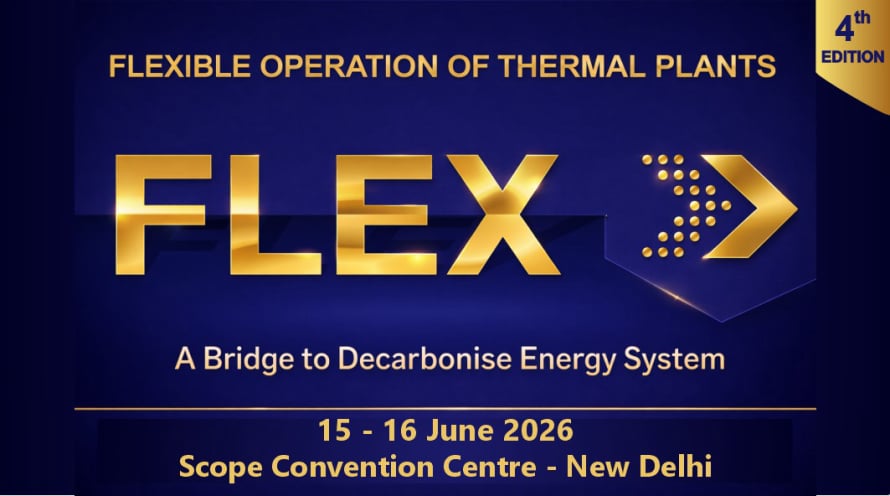
If you are interested in speaking at the Flexible Operation of Thermal Plants 2026 conference we are inviting you to put forward your presentation proposal for review by our international conference advisory board. Please note that not all submissions can be accepted but all will be considered ahead of the final submission deadline.
We encourage proposals from speakers with deep technical and practical expertise in all aspects of Flexible Operation of Thermal Plants
Deadline For Paper Submission Friday, 15 May 2026
Proposals must be submitted by online speaker registration mode. If selected to speak, all presenters will be required to submit a presentation in PowerPoint format at least 2 weeks in advance of the conference to ensure guidelines are met.
If you have any questions, please contact
Ashwinkumar Khatri
Director General
dg@missionenergy.org
+91 98339 51556

Recognising Excellence in Operational Performance, Reliability & Future-Ready Power Generation
For over a decade, the Power Plant Performance Awards have served as one of the most respected industry benchmarks for recognising excellence in thermal power generation. Organised alongside FLEX 2026, the awards celebrate plants and utilities that have demonstrated outstanding operational performance, efficiency improvement, reliability, innovation, and adaptability in an increasingly dynamic power sector.
As India transitions toward a more flexible, cleaner, and digitally enabled power system, the 2026 edition will place special emphasis on recognising plants that are not only performing efficiently today, but are also preparing for the operational demands of tomorrow.
✔ Operational excellence in plant performance, reliability, and efficiency
✔ Leadership in flexible operations, low-load management, and ramping capability
✔ Innovation in digitalisation, automation, and performance optimisation
✔ Excellence in sustainability, biomass co-firing, and resource efficiency
✔ Best practices in asset management, safety, and future-ready thermal operations
The awards offer a prestigious national platform to showcase your plant’s operational achievements and benchmark your performance against leading utilities and power producers across the country. Recognition through this platform enhances your organisation’s standing as a high-performing and future-ready power generator.
Participating in the awards enables organisations to highlight successful initiatives in flexible operations, efficiency improvement, digitalisation, sustainability, and reliability. It provides an opportunity to demonstrate leadership in adopting innovative solutions and best practices that can inspire the wider industry.
Industry recognition not only motivates plant teams and operational staff by acknowledging their hard work and achievements, but also strengthens confidence among management, regulators, investors, technology partners, and customers. Winning or being shortlisted reinforces your organisation’s commitment to excellence, continuous improvement, and long-term sector leadership.
✔ Coal-based thermal power generation utilities (central, state, private, and captive plants)
✔ Independent Power Producers (IPPs) and merchant thermal power plants
✔ Lignite and gas-based power plants with flexible operation initiatives
✔ Plant O&M teams, performance improvement, and engineering departments
✔ Utilities implementing biomass co-firing, fuel transition, and sustainability initiatives
✔ Plants adopting digitalisation, automation, APC, and predictive maintenance solutions
✔ Units undertaking flexibility retrofits, low-load optimisation, and ramping improvements
✔ Asset management and reliability teams driving plant performance excellence
✔ Technology solution providers / OEMs in partnership with plant utilities for project-based nominations
✔ Service providers and EPC partners supporting operational excellence initiatives
✔ Gain national recognition for your plant’s operational excellence and performance achievements.
✔ Benchmark your plant’s performance against leading utilities and industry peers.
✔ Showcase successful initiatives in flexibility, efficiency, and reliability improvement.
✔ Highlight innovations in digitalisation, automation, and advanced plant optimisation.
✔ Demonstrate leadership in biomass co-firing, sustainability, and cleaner operations.
✔ Strengthen your organisation’s brand visibility and industry positioning.
✔ Boost employee morale by recognising plant teams and operational excellence.
✔ Build greater confidence among regulators, investors, and key stakeholders.
✔ Share best practices and success stories with the wider power sector.
✔ Position your plant as a future-ready leader in India’s evolving energy transition.

To ensure transparency, technical rigour, and credibility, the Power Plant Performance Awards 2026 will follow a structured multi-stage evaluation process led by an independent jury panel comprising senior power sector experts, former utility leaders, technical specialists, and industry advisors.
A 10 slide presentation must be submitted detailing the work done under the selected award category within a week from the date of online registration. Please attach copies of all supporting documents of claims made in the presentation. Only commissioned and live projects will be considered.
All nominations will undergo an initial review to assess eligibility, category relevance, completeness of submission, and supporting documentation. A technical screening committee will shortlist entries based on key performance indicators, initiative impact, and overall merit.
Shortlisted nominations will be evaluated by an independent jury panel comprising senior industry experts, utility leaders, and technical specialists. The assessment will focus on operational performance, innovation, reliability, sustainability, flexibility achievements, and measurable business impact.
Based on the jury scores and supporting evidence, the final winners will be selected in each category. Where required, the jury may seek clarifications or additional information to ensure transparency, fairness, and credibility in the final results.
Why Nominate: Showcase excellence in managing large-scale generation assets with high reliability, efficiency, and operational consistency.
Evaluation Criteria: PLF, availability, forced outage rate, heat rate, APC, environmental compliance.
Why Nominate: Highlight strong station performance and operational leadership in large utility-scale plants.
Evaluation Criteria: Generation performance, outage management, efficiency, reliability, safety.
Why Nominate: Recognise plants delivering strong performance and optimisation at mid-sized scale.
Evaluation Criteria: PLF, APC, heat rate, availability, O&M excellence.
Why Nominate: Demonstrate excellence in efficiency and reliability for smaller stations.
Evaluation Criteria: Plant performance, reliability, cost optimisation, resource use.
Why Nominate: Showcase dependable power support for industrial operations with high efficiency.
Evaluation Criteria: Reliability, fuel efficiency, uptime, cost optimisation.
Why Nominate: Highlight excellence in alternative thermal generation technologies.
Evaluation Criteria: Availability, efficiency, flexibility, emissions.
Why Nominate: Recognise plants successfully operating at lower technical minimum loads.
Evaluation Criteria: Minimum load achieved, stability, efficiency, safety.
Why Nominate: Showcase capability to support rapid grid balancing.
Evaluation Criteria: Ramp rates, response time, dispatch adherence.
Why Nominate: Recognise operational excellence in frequent start-stop and cyclic duties.
Evaluation Criteria: Start-up optimisation, equipment stress control, reliability.
Why Nominate: Highlight impactful flexibility improvement projects.
Evaluation Criteria: measurable improvement, scalability, ROI.
Why Nominate: Showcase thermal role in enabling renewable energy absorption.
Evaluation Criteria: renewable balancing support, dispatch flexibility.
Why Nominate: Recognise support to grid stability and reserves.
Evaluation Criteria: reserve response, frequency support, compliance.
Why Nominate: Highlight initiatives improving system reliability.
Evaluation Criteria: outage reduction, scheduling accuracy.
Why Nominate: Showcase superior load management and coordination.
Evaluation Criteria: forecast accuracy, schedule adherence.
Why Nominate: Recognise excellence in RE forecasting integration.
Evaluation Criteria: forecast quality, curtailment reduction.
Why Nominate: Highlight transmission solutions enabling flexibility.
Evaluation Criteria: grid support, congestion management.
Why Nominate: Showcase integrated hybrid operating models.
Evaluation Criteria: project innovation, operational gains.
Why Nominate: Recognise storage-enabled flexibility innovation.
Evaluation Criteria: BESS performance, dispatch support.
Why Nominate: Highlight coordinated balancing solutions.
Evaluation Criteria: peak support, coordination efficiency.
Why Nominate: Showcase advanced stability enhancement practices.
Evaluation Criteria: system resilience, reliability outcomes.
Why Nominate: Recognise strong boiler uptime and efficiency.
Evaluation Criteria: tube leak reduction, efficiency, outages.
Why Nominate: Showcase turbine performance excellence.
Evaluation Criteria: heat rate, vibration control, reliability.
Why Nominate: Highlight proactive asset management.
Evaluation Criteria: diagnostics, downtime reduction.
Why Nominate: Recognise impactful upgrade projects.
Evaluation Criteria: life extension, performance gains.
Why Nominate: Showcase superior plant upkeep and uptime.
Evaluation Criteria: availability, outage planning, safety.
Why Nominate: Highlight successful biomass integration.
Evaluation Criteria: blend %, combustion, sustainability.
Why Nominate: Recognise innovative fuel transition practices.
Evaluation Criteria: fuel substitution, operational impact.
Why Nominate: Showcase environmental leadership.
Evaluation Criteria: emissions reduction, compliance.
Why Nominate: Highlight sustainable water/resource use.
Evaluation Criteria: water savings, recycling.
Why Nominate: Recognise circular waste practices.
Evaluation Criteria: ash utilisation %, disposal improvements.
Why Nominate: Showcase future low-carbon preparedness.
Evaluation Criteria: roadmap, pilots, carbon reduction.
Why Nominate: Highlight digital-led operational improvements.
Evaluation Criteria: digital deployment, impact.
Why Nominate: Recognise smart optimisation success.
Evaluation Criteria: AI/APC benefits, efficiency gains.
Why Nominate: Showcase breakthrough operational solutions.
Evaluation Criteria: novelty, impact, scalability.
Why Nominate: Highlight technical leadership and advisory impact.
Evaluation Criteria: technical value, implementation outcomes.
Why Nominate: Recognise collaborative leadership advancing the sector.
Evaluation Criteria: partnerships, sector impact, knowledge sharing.
20 April 2026
29 May 2026
08 June 2026
15 June 2026
To participate as DELEGATE / nominate for AWARDS / be a SPEAKER fill and submit online form from the links below.
We will email you an digitally signed invoice along with necessary required documents for processing the payment. The original invoice (only on request) shall be sent to your postal address
Make online payment via our secured payment gateway using your credit card or NEFT or send Cheque / DD to our postal address.
Indian Delegate:
INR 26500 + 18% GST
Overseas Delegate:
USD 650
Group Discount
5% for 3+ Participants
10% for 7+ Participants
Indian Company:
INR 36500 + 18% GST
Overseas Company:
USD 950
Category Discount
5% for 2+ categories
10% for 5+ categories
The Organisation
Mission Energy Foundation is a persistent, private, not-for-profit endeavour based in Mumbai, India. We are registered under sec 25 (1), 80G & 12AA respectively.
The Begining
A single man army with its mission to build platforms of discussion, exchange knowledge among industry professionals on core issues pertaining to growing energy sector.
GOAL
Mission Energy Foundation is a micro-enterprise initiative that strives to spread knowledge in the globalising energy sector. We educate and spread technology awareness through ongoing contacts and discussions with the public and industry concerning what the future of the growing energy sector should be...
Today
A human asset working together as one endeavour that expertise in organising and delivering successful international summits involving who's who from Entrepreneurs to Academicians to Government Authorities to Technology Providers to Consultants to Industry Professionals from the growing energy sector globally.
Sponsorship Support
Registration Support
Speaker Support

Invoice Support
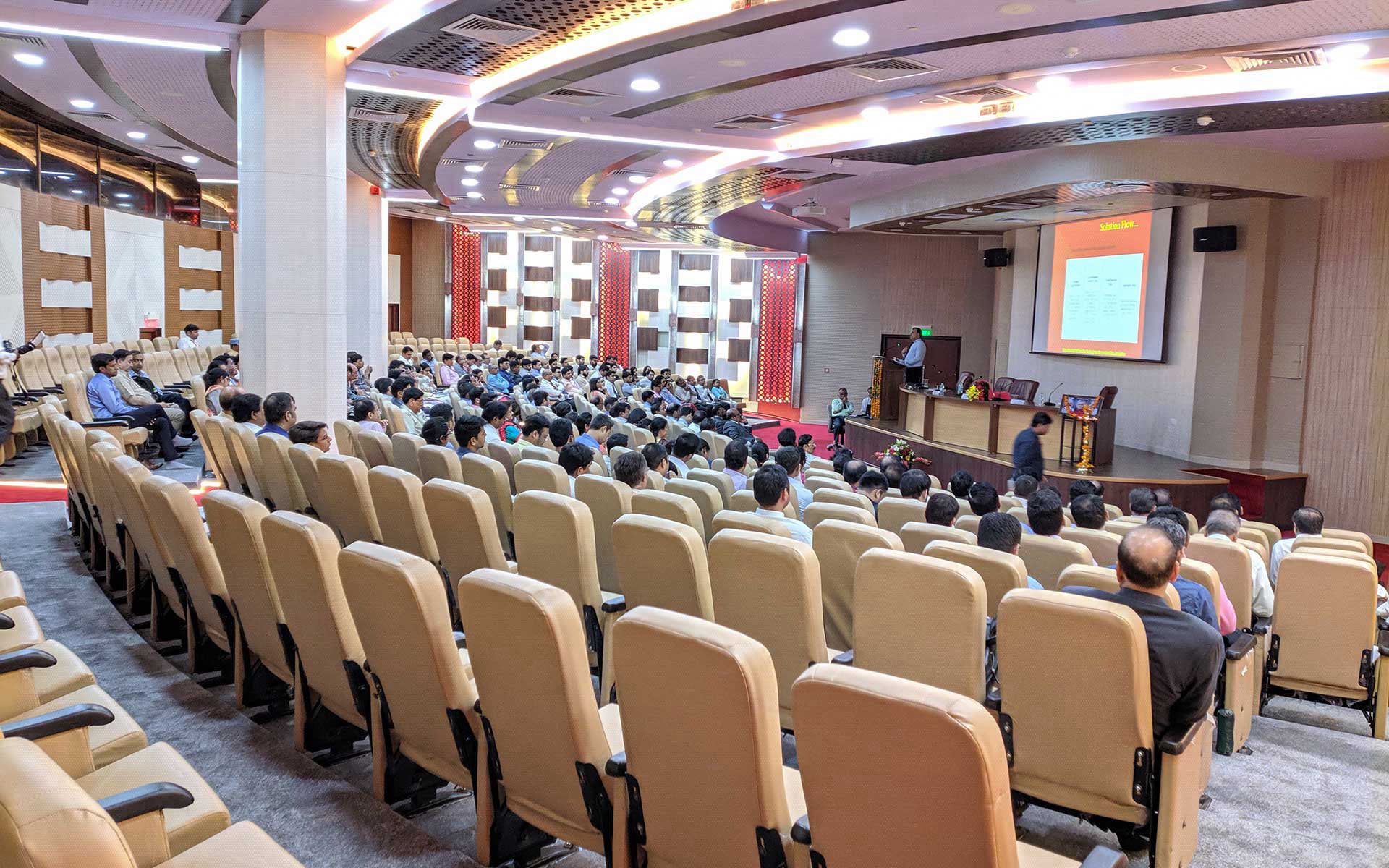
Scope Convention Centre
CGO Complex, Lodhi Road
Pragati Vihar
New Delhi - 110003

GSTN (MH) - 27AAICM0818M1Z7
GSTN (DL) - 07AAICM0818M1Z9
GSTN (Goa) - 30AAICM0818M1ZK
Refund / Cancellation / Privacy Policy
Terms & Conditions
Copyright 2026, all rights reserved.