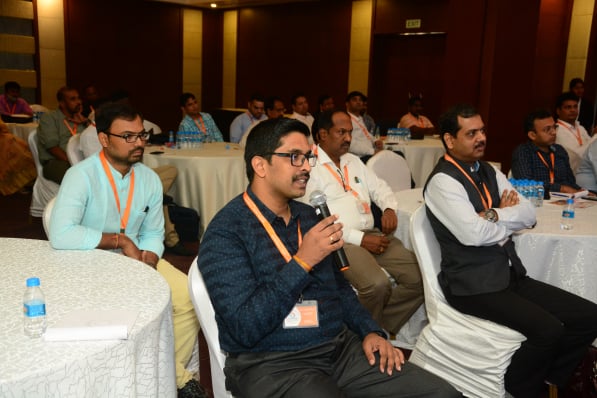
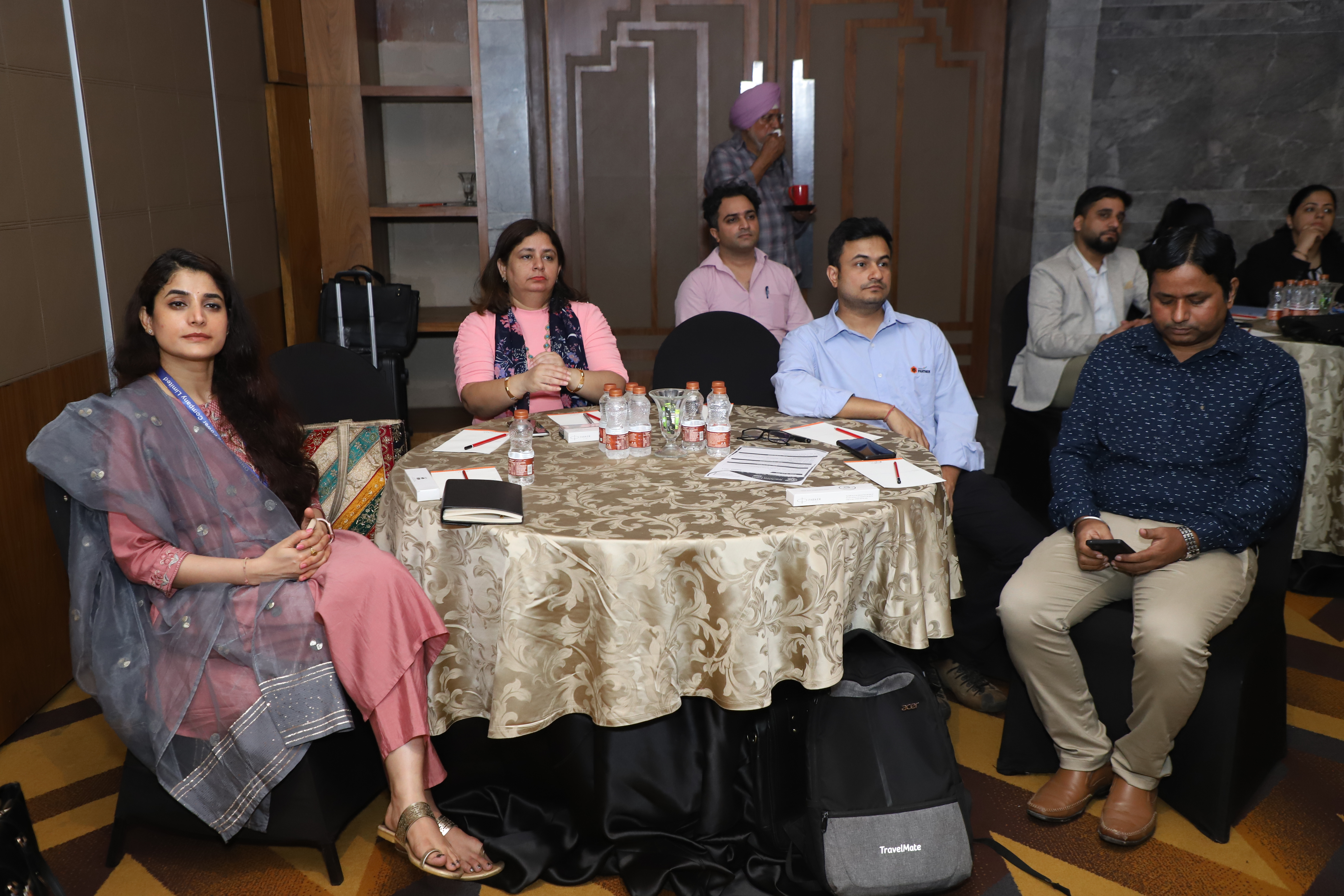
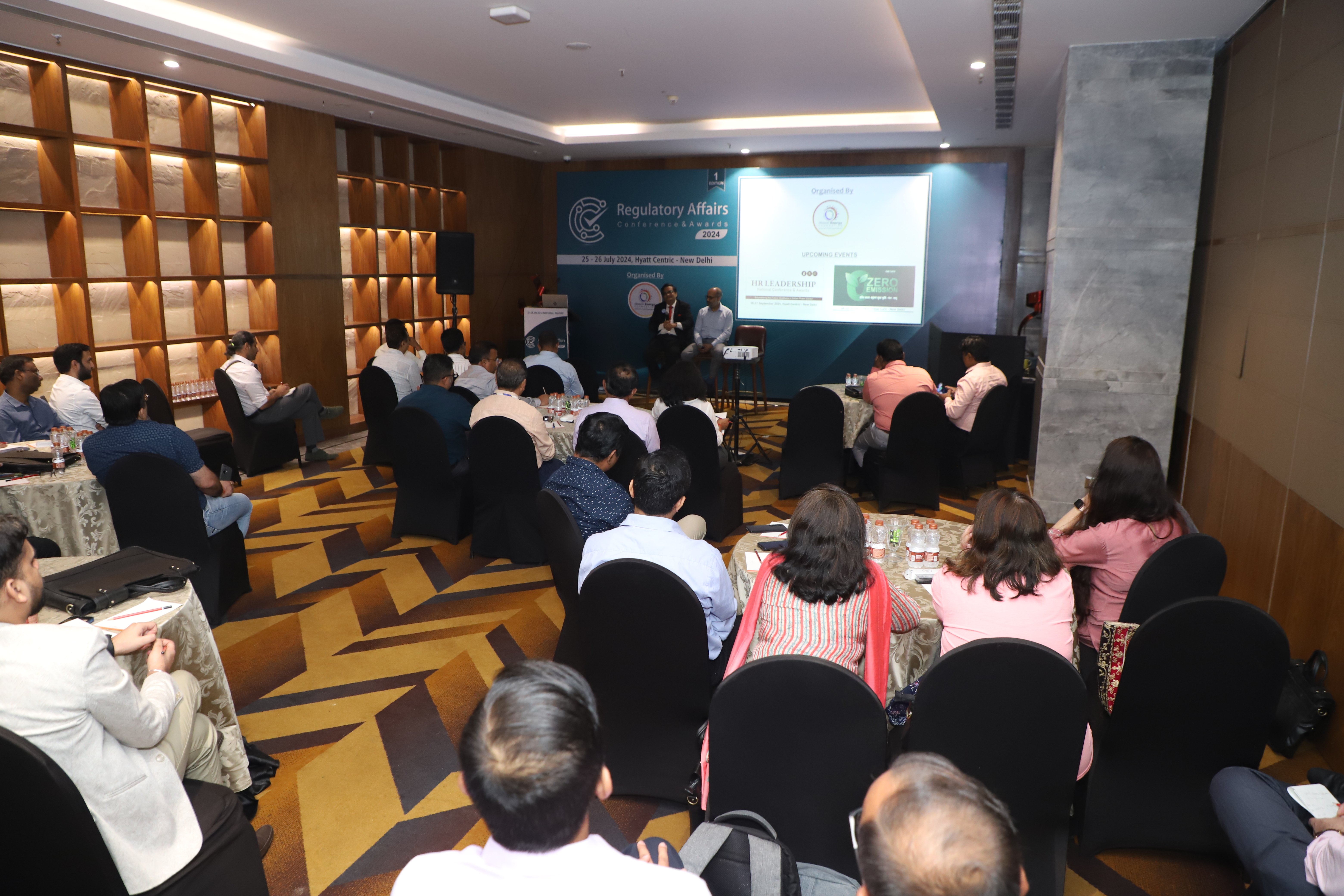
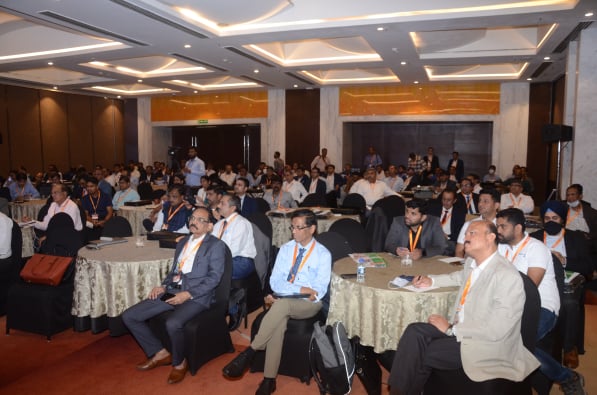
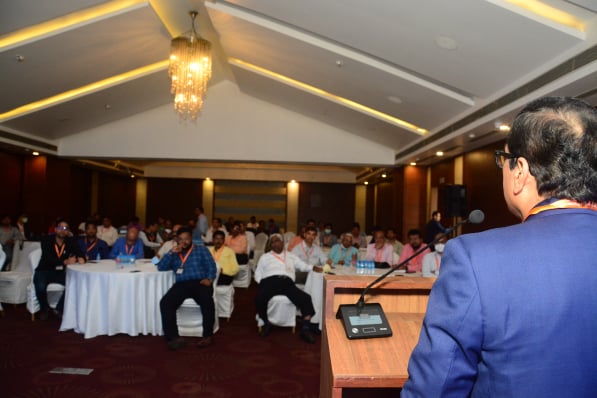
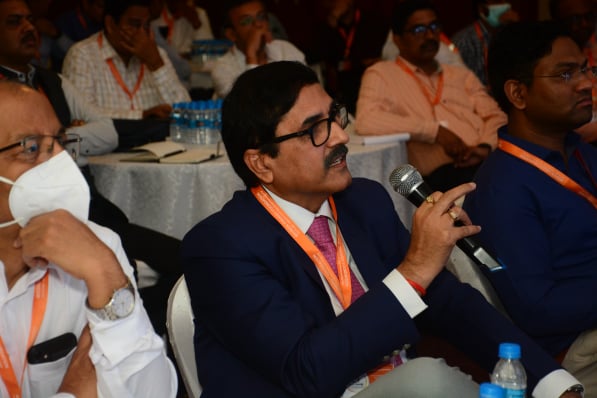
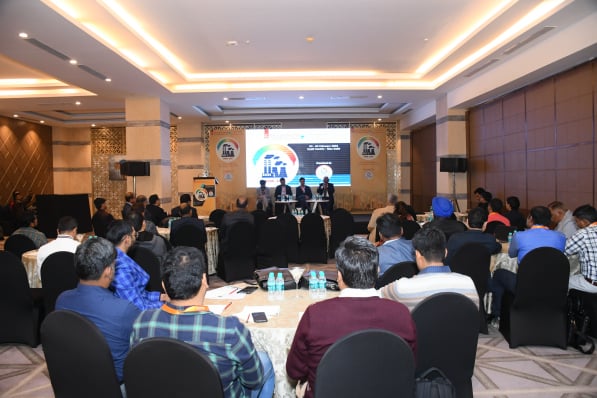
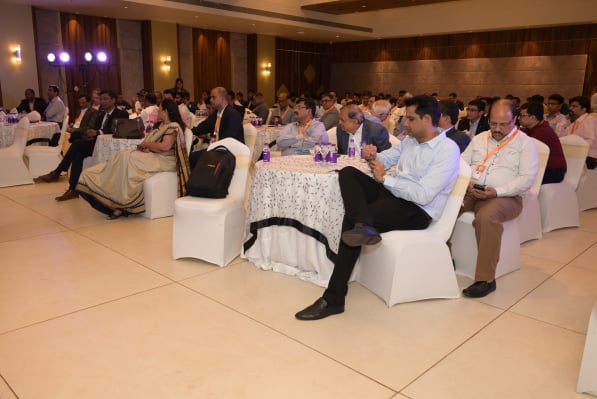
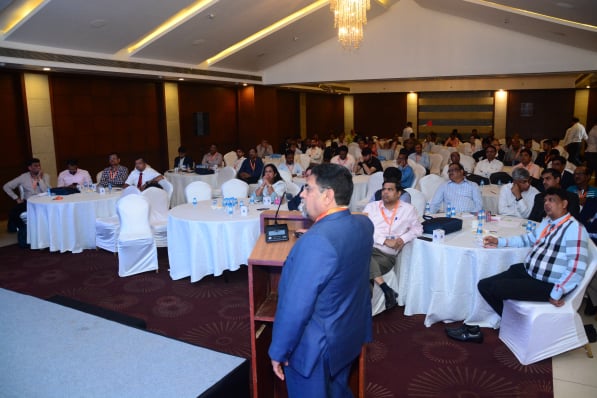
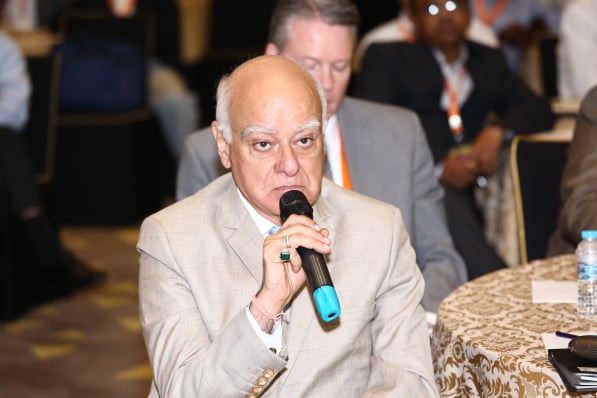
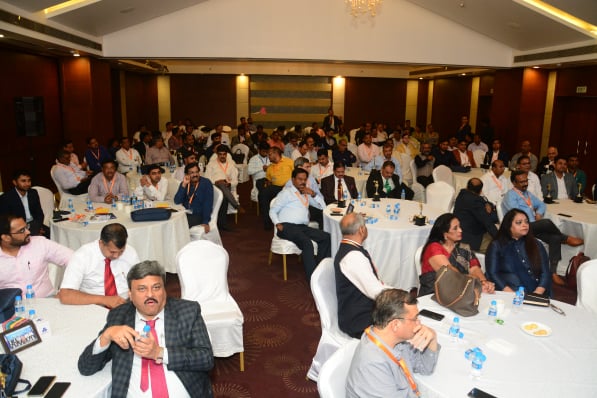
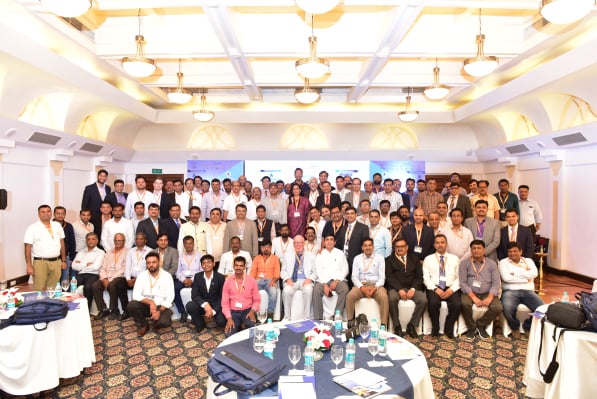
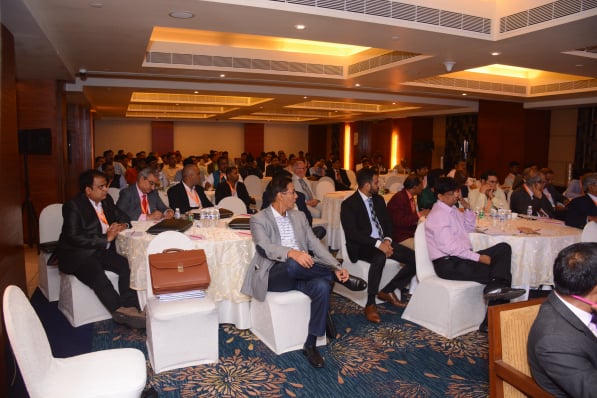
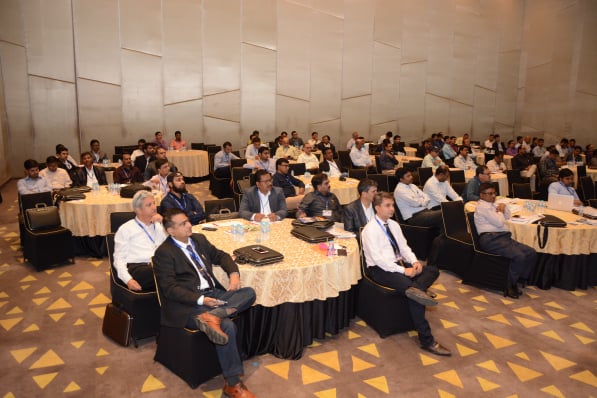
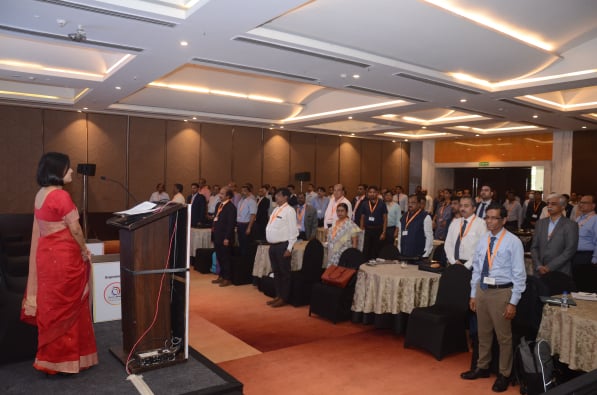
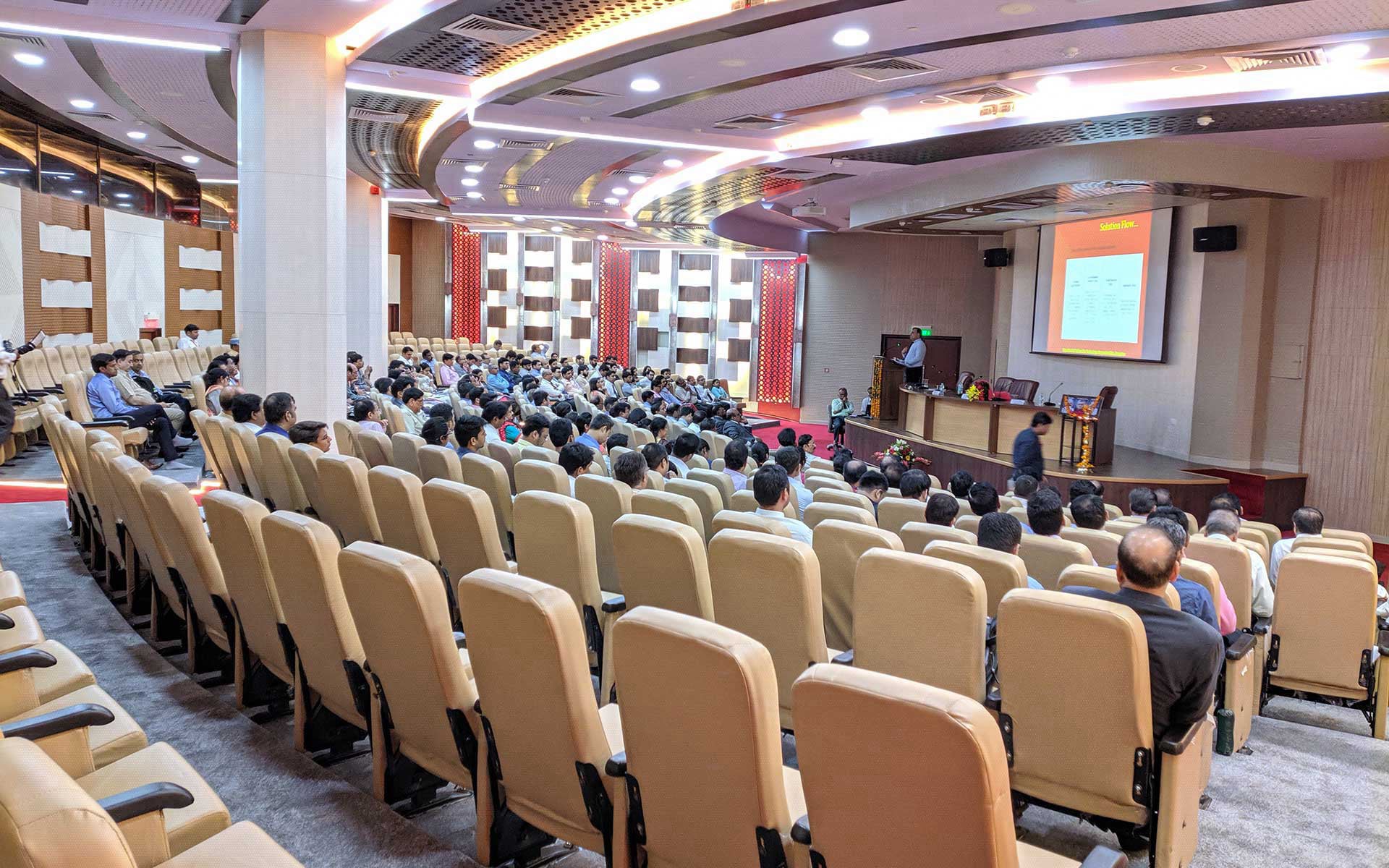
Theme: Power Sector Regulatory Transformation: Managing Market Reform, Energy Transition & Commercial Risk
The two day conference shall focus on ensuring compliance with regulations, navigating complex regulatory environments, and shaping policies that promote the efficient, reliable, and sustainable generation, transmission, and distribution of electricity.
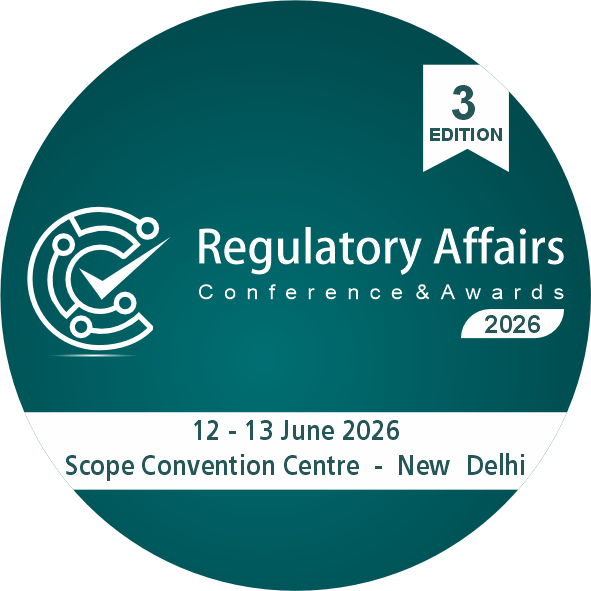
12 - 13 June 2026, Scope Convention Centre - New Delhi
India’s power sector is passing through one of its most significant transformation phases since the Electricity Act, 2003. What began as a reform process focused on sector unbundling, tariff rationalization and private participation has now evolved into a more complex framework driven by market liberalisation, decarbonisation mandates, digital compliance and commercial discipline. For utilities and captive power producers, regulatory affairs is no longer a support function—it is now central to business continuity, cost optimisation, investment decisions and long-term competitiveness.
Over the last two decades, India has steadily built a regulatory architecture involving the Ministry of Power, Central Electricity Authority, Central Electricity Regulatory Commission, State Electricity Regulatory Commissions, environmental authorities and grid operators. This framework has helped improve transparency in tariff determination, strengthen grid discipline, facilitate renewable integration and improve accountability across generators, transmission utilities, distribution companies and industrial power users. However, with the pace of energy transition accelerating, the regulatory ecosystem is becoming increasingly layered and dynamic.
For power utilities, regulatory responsibilities today extend far beyond periodic filings and statutory reporting. They now encompass tariff petitions, fuel cost recovery, change-in-law claims, ancillary service participation, cybersecurity obligations, emissions compliance, ash and water management, renewable purchase obligations, ESG disclosures and stakeholder engagement. For captive and industrial power producers, the regulatory burden is equally critical—particularly in relation to open access, banking, wheeling charges, cross-subsidy surcharge, grid connectivity approvals, environmental clearances and carbon-related reporting. Regulatory strategy now directly affects plant economics, operational flexibility and project bankability.
India’s policy reforms over the past few years have significantly altered the compliance and commercial landscape. The push toward green open access, real-time electricity markets, market-based economic dispatch, energy storage obligations, revised environmental norms, flexible thermal operations and digital compliance monitoring has created both opportunities and uncertainties. Utilities are being expected to deliver cleaner, more reliable and more affordable power while maintaining strict adherence to evolving legal and technical frameworks. Captive users, especially in sectors such as cement, metals, chemicals and manufacturing, are increasingly using power strategy as a lever for cost reduction and sustainability goals—making regulatory clarity essential.
Another critical shift is the growing overlap between regulatory affairs, commercial risk management and corporate governance. Delayed approvals, tariff disputes, payment security concerns, contract interpretation issues and changing state-level policies can materially impact plant performance and investor confidence. Regulatory teams are now expected to proactively interpret policy, anticipate reform trajectories, manage litigation risk and support management decision-making. This makes regulatory capability a strategic differentiator for both public and private sector power players.
The next five years will be particularly defining. India’s ambitions around 500 GW non-fossil capacity, grid modernisation, storage deployment, demand-side management and industrial decarbonisation will require a more agile, harmonised and technology-enabled regulatory ecosystem. Utilities will need stronger internal coordination between operations, legal, environment, finance and corporate affairs. Captive power plants will need better preparedness for evolving open access structures, emissions obligations and market-linked procurement opportunities. Future-ready regulatory leadership will therefore be essential to ensure resilience, compliance and profitable growth.
Against this backdrop, Regulatory Affairs – 2026 is designed as a focused industry platform to bring together utilities, captive power producers, regulators, policymakers, legal experts and technology providers to discuss the next phase of power sector transformation. Building on the strong foundation of the last two editions which addressed the challenges faced by regulatory departments in utility and captive power plants—this year’s conference will go beyond compliance and focus on strategic regulatory transformation, commercial preparedness and future regulatory leadership.
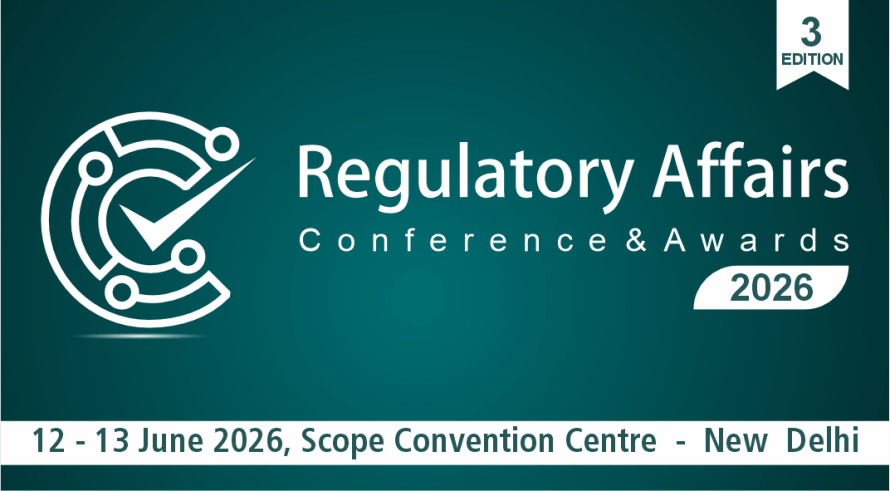
Two day conference + AWARDS on Regulatory Affairs is designed as a focused industry platform to bring together utilities, captive power producers, regulators, policymakers, legal experts and technology providers to discuss the next phase of power sector transformation.
Regulatory Affairs – 2026 will serve as a critical forum to:
✔ understand evolving policy reforms and their business implications,
✔ decode market and tariff developments,
✔ address regulatory bottlenecks in project approvals and operations,
✔ share utility and captive plant case studies,
✔ improve compliance systems and digital reporting,
✔ strengthen legal and commercial risk mitigation,
✔ prepare organisations for India’s energy transition roadmap.
In an environment where regulation increasingly shapes operational viability and business outcomes, Regulatory Affairs – 2026 aims to help industry leaders move from reactive compliance to proactive regulatory excellence.
Regulatory Affairs – 2026 will focus on the most critical regulatory, commercial and compliance priorities shaping India’s evolving power sector, with special emphasis on utilities and captive power plants.
✔ Emerging policy developments under the Electricity Act and allied rules
✔ Evolving role of CERC, SERCs and sector institutions
✔ Regulatory implications of market reforms and power sector restructuring
✔ Harmonisation challenges across states
✔ Tariff petitions, true-up and approval timelines
✔ Fuel cost pass-through and change-in-law claims
✔ Managing delayed payments and payment security risks
✔ Commercial implications of evolving tariff frameworks
✔ Green open access regulations and state implementation challenges
✔ Banking, wheeling, cross-subsidy surcharge and transmission charges
✔ Group captive and third-party sale structures
✔ Market participation opportunities for industrial consumers
✔ Emission norms for thermal power plants
✔ Ash utilisation, water management and waste handling compliance
✔ Environmental clearances and consent management
✔ Regulatory preparedness for carbon and ESG-linked obligations
✔ Renewable purchase obligations and compliance strategies
✔ Grid connectivity, scheduling, forecasting and DSM
✔ Energy storage regulations and ancillary service participation
✔ Flexible operation requirements for conventional plants
✔ Managing litigation, arbitration and regulatory appeals
✔ Contractual risk under PPAs and fuel supply agreements
✔ Regulatory due diligence and documentation best practices
✔ Recent landmark sector rulings and lessons learned
✔ Digital compliance systems and regulatory dashboards
✔ AI and analytics for monitoring, filings and alerts
✔ Audit readiness and document traceability
✔ Cybersecurity and data reporting obligations
✔ Building internal regulatory capability and governance
✔ Cross-functional coordination between legal, finance and operations
✔ Board-level reporting and strategic decision support
✔ Preparing for long-term energy transition and market evolution
Thermal Power Plants (Coal / Gas / Biomass)
Hydro and Pumped Storage Plants
Renewable Energy Developers (Solar / Wind / Hybrid)
Captive and Group Captive Power Plants
Independent Power Producers (IPPs)
Central and State Transmission Utilities
Load Dispatch Centres
Distribution Companies (DISCOMs)
Private Distribution Licensees
Power Trading Companies
Cement - Steel - Aluminium - Chemicals & Fertilizers - Paper - Textiles - Refineries - Other Large Manufacturing Units
Regulatory Affairs Heads / Managers
Commercial Heads
Legal & Contract Management Teams
Tariff & Power Procurement Teams
Policy & Government Affairs Teams
Plant Heads / Station Heads
O&M Heads
Environment, Health & Safety (EHS) Teams
Sustainability / ESG Leaders
Finance & Risk Management Teams
Compliance & Audit Professionals
Digital / IT Compliance Teams
Officials from Ministry of Power
Central Electricity Authority (CEA)
Central Electricity Regulatory Commission (CERC)
State Electricity Regulatory Commissions (SERCs)
Grid Operators / NLDC / RLDC / SLDC representatives
State Nodal Agencies
Regulatory Consultants
Legal Advisors / Law Firms
EPC / Technology Providers
Digital Compliance Solution Providers
Emissions Monitoring / Reporting Companies
Carbon & ESG Advisory Firms
Industry Associations / Think Tanks
Our aim is to deliver you an event that exceeds your expectations, thus becoming an integrated part of your annual marketing program.
Sponsoring Regulatory Affairs - 2026 will make your company stand out as a leader in this burgeoning industry and will leave a strong impression of your brand in key decision makers minds. Sponsors have an incredible amount of presence and it will not only give your company optimum exposure but also the opportunity for delegates to meet you and your executives to find out more about your role and business opportunities in the sector.
Why Sponsor?
Gain PUBLICITY with our advertising and promotional campaigns
Obtain DIRECT ACCESS to potential clients during and after with our meticulously prepared confidential delegate list
Receive a KEY SPEAKING POSITION to address an audience of top executives and decision makers from the industry
Create PERMANENT REMINDERS of your product or services in conference documentation
Profile yourself as INDUSTRIAL LEADER, as your corporate logo and profile will be featured prominently in event marketing collaterals
NETWORKING with the industries leading Government Officials, Senior Level Delegates and Experts
Achieve GREATER EXPOSURE and BRAND BUILDING through our partners and much more
Refer to the below tabular of varied sponsorship options and benefits.
INR 745000 / USD 9950
7 Delegate Passes - Logo on Brochure Cover Page - Logo on Brochure Inside Page, Conference Backdrop, Registration Desk Backdrop & Conference Website, Logo on I am Attending Banner, Logo on eCONNECT | Attendee Access Portal, Send Meeting Request in eCONNECT (upcoming feature) - Corporate Banner in Networking Area - Merchandise Distribution - Screening of Company Film - Circulation of Company Literature - Thanking Announcements - Speaking Opportunity - Panel Discussion Moderator
INR 645000 / USD 8950
5 Delegate Passes - Logo on Brochure Cover Page - Logo on Brochure Inside Page - Logo on Conference Backdrop - Logo on Registration Desk Backdrop - Logo on Conference Website, Logo on I am Attending Banner, Logo on eCONNECT | Attendee Access Portal, Send Meeting Request in eCONNECT (upcoming feature) - Banner in Networking Area - Merchandise Distribution - Screening of Company Film - Circulation of Company Literature - Thanking Announcements - Speaking Opportunity - Panel Discussion Panelist
INR 545000 / USD 7950
3 Delegate Passes - Logo on Brochure Cover Page - Logo on Conference Backdrop - Logo on Conference, Logo on Website I am Attending Banner, Logo on eCONNECT | Attendee Access Portal, Send Meeting Request in eCONNECT (upcoming feature) - Circulation of Company Literature - Thanking Announcements - Panel Discussion Panelist
INR 445000 / USD 6950
2 Delegate Passes - Logo on Brochure Cover Page - Logo on Conference Backdrop - Logo on Conference Website - Circulation of Company Literature - Thanking Announcements
INR 345000 / USD 5950
1 Delegate Passes - Logo on Brochure Cover Page - Logo on Conference Website - Circulation of Company Literature - Thanking Announcements
INR 245000 / USD 4950
Logo on Conference Backdrop - Logo on Conference Website - Thanking Announcements
Nityanand Gavandi
President Partnership
partnership@missionenergy.org
+91 98208 14644
08.30 - 09:20 | Registration & Welcome Tea
09:20 - 09:30 | Organiser Welcome Address
09:30 - 11:00
Regulatory Reset for India’s Power Sector: What 2026–2030 Will Demand
Session Coverage: Electricity Amendment Outlook - Market Reforms - Grid Modernization Regulations - Decarbonisation Obligations Future of State Commissions
11:00 – 11:30 | Networking Tea Break
11:30 – 13:00
Tariff Strategy, Cost Recovery & Change in Law
Session Coverage: Fuel Cost Pass-through - Late Payment Surcharge - PPA Renegotiation - Force Majeure Claims - Transmission Charges
13:00 – 14:00 | Networking Lunch Break
14:00 – 16:00
Open Access, Green Power Markets & Merchant Opportunities
Session Coverage: Fuel Cost Pass-through - Late Payment Surcharge - PPA Renegotiation - Force Majeure Claims - Transmission Charges
16:00 – 16:30 | Networking Tea Break
16:30 – 18:00
Land, Environment, Forest & Statutory Clearances
Session Coverage: FC / EC Delays - Water Permissions - Consent Renewals - Compliance Bottlenecks
08.30 - 09:30 | Registration & Welcome Tea
09:30 - 11:00
Managing Regulatory Litigation, Claims & Commercial Risk
Session Coverage: Dispute Avoidance - Best Legal Drafting - Lessons from Recent APTEL / Supreme Court Rulings
11:00 – 11:30 | Networking Tea Break
11:30 – 13:00
Digital Regulatory Affairs: AI, Analytics & Automation
Session Coverage: Compliance Dashboards - Automated Filing - Regulatory Document Management - Audit Readiness
13:00 – 14:00 | Networking Lunch Break
14:00 – 16:00
Future-Proofing Regulatory Teams
Session Coverage: Internal Capability Building - Board Reporting - Cross-Functional Coordination - ESG / BRSR Integration
16:00 – 16:30 | Networking Tea Break
16:30 – 17:30
The Ceremony: Regulatory Compliance Awards - 2026
17:30 - 17:35 | Vote of Thanks & End of Conference
If you are interested in speaking at the Regulatory Affairs 2026 conference we are inviting you to put forward your presentation proposal for review by our international conference advisory board. Please note that not all submissions can be accepted but all will be considered ahead of the final submission deadline.
We encourage proposals from speakers with deep technical and practical expertise in all aspects of Regulatory Affairs / Compliance
Deadline For Paper Submission Friday, 15 May 2026
Proposals must be submitted by online speaker registrartion mode. If selected to speak, all presenters will be required to submit a presentation in PowerPoint format at least 2 weeks in advance of the conference to ensure guidelines are met.
If you have any questions, please contact
Ashwinkumar Khatri
Director General
dg@missionenergy.org
+91 98339 51556
Mission Energy Foundation is proud to have recognized and celebrated outstanding initiatives, innovative practices and leadership excellence across India’s power sector over the years. Through its industry platforms, the Foundation has honored utilities and captive power plants—both large and small—that have demonstrated a strong commitment to operational excellence, sustainability and responsible growth.
The awards will honor excellence in areas such as:
✔ Statutory and regulatory compliance management
✔ Environmental and emissions compliance
tariff and commercial governance
✔ Safety and risk management
✔ Digital compliance systems
✔ Sustainable operations and ESG integration
✔ Stakeholder engagement and transparency
In today’s rapidly evolving regulatory landscape, compliance is no longer limited to meeting mandatory requirements. It has become a strategic function that directly impacts plant reliability, commercial performance, stakeholder confidence and long-term business sustainability. These awards aim to recognize organisations that have proactively strengthened their regulatory systems, embraced best practices and created a culture of accountability and continuous improvement.
The Regulatory Compliance Awards – 2026 have been instituted to acknowledge power sector organisations that have demonstrated exemplary commitment towards regulatory compliance, statutory governance, environmental stewardship, operational safety and responsible business practices.
The Regulatory Compliance Awards – 2026 seek to spotlight industry leaders who are setting new benchmarks in compliance excellence while supporting India’s broader goals of power sector reform, energy transition and sustainable industrial growth.
Beyond recognition, the awards aim to inspire the wider industry to adopt progressive compliance frameworks, improve governance standards and foster innovation in regulatory management. By showcasing successful models and best-in-class practices, the awards will serve as a catalyst for continuous improvement and future-ready regulatory leadership across India’s power sector.
Evaluation Process
A 10 slide presentation must be submitted detailing the work done under the selected award category within a week from the date of online registration. Please attach copies of all supporting documents of claims made in the presentation. Only commissioned and live projects will be considered.
Why Nominate: Benchmark your plant’s leadership in regulatory discipline, environmental compliance and operational governance.
Evaluation Criteria: Emissions and environmental compliance, statutory filings, safety performance, audit outcomes, corrective actions.
Why Nominate: Showcase strong compliance systems in managing diverse fuel and operational challenges.
Evaluation Criteria: Fuel handling compliance, pollution control, safety systems, statutory adherence, documentation quality.
Why Nominate: Demonstrate excellence in safe, efficient and compliant gas-based operations.
Evaluation Criteria: Gas safety, emissions, outage reporting, legal compliance, operational reliability.
Why Nominate: Highlight leadership in renewable compliance and grid integration.
Evaluation Criteria: Grid code compliance, forecasting accuracy, land/environment approvals, safety, reporting.
Why Nominate: Showcase best practices in renewable operations and regulatory governance.
Evaluation Criteria: Scheduling discipline, safety, environmental compliance, documentation, ESG initiatives.
Why Nominate: Recognize integrated renewable compliance and innovation.
Evaluation Criteria: Scheduling and forecasting, system reliability, compliance systems, sustainability performance.
Why Nominate: Demonstrate excellence in transmission reliability and regulatory governance.
Evaluation Criteria: Grid code compliance, outage management, audit scores, safety, documentation.
Why Nominate: Showcase best practices in tariff, consumer and statutory compliance.
Evaluation Criteria: Regulatory filings, consumer grievance systems, loss reduction, safety, audit performance.
Why Nominate: Highlight your plant’s commitment to regulatory excellence in energy-intensive operations.
Evaluation Criteria: Emissions, energy efficiency, statutory compliance, safety, reporting quality.
Why Nominate: Demonstrate robust compliance in complex industrial power environments.
Evaluation Criteria: Safety systems, environmental norms, outage management, audit performance, governance.
Why Nominate: Showcase leadership in managing high-risk regulatory and operational challenges.
Evaluation Criteria: Hazard management, emissions, legal compliance, reporting, corrective systems.
Why Nominate: Recognize excellence in sustainable utility and compliance practices.
Evaluation Criteria: Water use, waste disposal, emissions, safety, statutory adherence.
Why Nominate: Highlight effective compliance systems in process-intensive industries.
Evaluation Criteria: Regulatory reporting, workplace safety, environmental performance, governance.
Why Nominate: Showcase excellence in market participation and power procurement compliance.
Evaluation Criteria: Open access compliance, scheduling, banking, charges settlement, documentation.
Why Nominate: Recognize innovative systems that strengthen regulatory governance.
Evaluation Criteria: Process innovation, measurable outcomes, audit improvements, digital adoption.
Why Nominate: Demonstrate leadership in efficient and sustainable power operations.
Evaluation Criteria: Efficiency gains, environmental compliance, reporting, safety, reliability.
Why Nominate: Showcase outstanding environmental responsibility and sustainable operations.
Evaluation Criteria: Emissions, waste management, compliance record, audit findings, corrective actions.
Why Nominate: Highlight transparent and accurate emissions management systems.
Evaluation Criteria: Monitoring systems, reporting accuracy, data integrity, compliance history.
Why Nominate: Recognize excellence in resource efficiency and waste governance.
Evaluation Criteria: Water efficiency, recycling, disposal systems, reporting, audits.
Why Nominate: Demonstrate a strong safety culture and proactive risk management.
Evaluation Criteria: Safety systems, incidents, training, audits, statutory compliance.
Why Nominate: Showcase leadership in commercial compliance and tariff management.
Evaluation Criteria: Tariff filings, cost recovery, billing systems, documentation, dispute minimization.
Why Nominate: Highlight digital innovation in compliance management.
Evaluation Criteria: Automation, dashboards, reporting efficiency, traceability, governance outcomes.
Why Nominate: Recognize excellence in dispute management and legal preparedness.
Evaluation Criteria: Claims management, dispute resolution, legal systems, documentation quality.
Why Nominate: Showcase integration of sustainability into governance and compliance.
Evaluation Criteria: ESG systems, disclosures, sustainability targets, audits, stakeholder engagement.
Why Nominate: Recognize team excellence in driving compliance and governance outcomes.
Evaluation Criteria: Team performance, systems, cross-functional coordination, impact.
Why Nominate: Honour exceptional leadership in regulatory strategy and business resilience.
Evaluation Criteria: Leadership impact, innovation, policy understanding, business contribution.
Why Nominate: Showcase strong leadership in building plant-wide compliance culture.
Evaluation Criteria: Governance, audit outcomes, operational discipline, leadership initiatives.
Why Nominate: Recognize efforts in strengthening awareness and accountability.
Evaluation Criteria: Employee engagement, training, communication, measurable improvement.
Why Nominate: Highlight integrated compliance management across departments.
Evaluation Criteria: Collaboration, efficiency gains, governance outcomes, innovation.
Why Nominate: Showcase breakthrough compliance practices and systems.
Evaluation Criteria: Innovation, implementation success, scalability, measurable results.
Why Nominate: Recognize impactful governance reforms and best practices.
Evaluation Criteria: Governance systems, transparency, compliance improvements, business value.
Why Nominate: Honour long-term contribution to power sector regulatory leadership.
Evaluation Criteria: Industry impact, thought leadership, mentoring, sustained achievements.

Why Nominate: Showcase innovative digital solutions that simplify compliance, improve reporting accuracy and strengthen governance.
Evaluation Criteria: Product innovation, ease of implementation, measurable compliance improvements, scalability, client impact.
Why Nominate: Highlight solutions that support emissions control, monitoring, water management and sustainable plant operations.
Evaluation Criteria: Technology effectiveness, environmental impact, operational benefits, customer outcomes, innovation.
Why Nominate: Recognize advisory firms delivering strategic support in regulatory filings, dispute resolution and compliance risk mitigation.
Evaluation Criteria: Client impact, regulatory expertise, successful outcomes, quality of advisory, industry contribution.
Why Nominate: Honour partners driving transformative compliance improvements through technology, consulting or services.
Evaluation Criteria: Innovation, business value delivered, implementation success, client feedback, sector relevance.
20 April 2026
29 May 2026
05 June 2026
13 June 2026
To participate as DELEGATE / nominate for AWARDS / be a SPEAKER fill and submit online form from the links below.
We will email you an digitally signed invoice along with necessary required documents for processing the payment. The original invoice (only on request) shall be sent to your postal address
Make online payment via our secured payment gateway using your credit card or NEFT or send Cheque / DD to our postal address.
Indian Delegate:
INR 26500 + 18% GST
Overseas Delegate:
USD 650
Group Discount
5% for 3+ Participants
10% for 7+ Participants
Indian Company:
INR 36500 + 18% GST
Overseas Company:
USD 950
Category Discount
5% for 2+ categories
10% for 5+ categories
The Organisation
Mission Energy Foundation is a persistent, private, not-for-profit endeavour based in Mumbai, India. We are registered under sec 25 (1), 80G & 12AA respectively.
The Begining
A single man army with its mission to build platforms of discussion, exchange knowledge among industry professionals on core issues pertaining to growing energy sector.
GOAL
Mission Energy Foundation is a micro-enterprise initiative that strives to spread knowledge in the globalising energy sector. We educate and spread technology awareness through ongoing contacts and discussions with the public and industry concerning what the future of the growing energy sector should be...
Today
A human asset working together as one endeavour that expertise in organising and delivering successful international summits involving who's who from Entrepreneurs to Academicians to Government Authorities to Technology Providers to Consultants to Industry Professionals from the growing energy sector globally.
Sponsorship Support
Registration Support
Speaker Support
Invoice Support
Scope Convention Centre
CGO Complex, Lodhi Road
Pragati Vihar
New Delhi - 110003